A WordPress security plugin can add useful controls, but installing the most feature-heavy option is not the same as securing a website. Firewalls, scanners, login limits, file monitoring, and alerts solve different problems, and some capabilities may already exist at the hosting or CDN layer.
This guide helps you choose the functions you actually need, avoid overlapping tools, test performance, and understand where plugin protection ends.
Start with risks, not feature counts
Identify the site’s assets and likely failure modes. An online store cares about account takeover, payment-page tampering, customer data, and uptime. A publishing site may prioritize editor access, content integrity, and spam. A brochure site still needs patching, backups, and recovery.
Map each risk to a control and an owner. If the CDN already blocks malicious requests, the host performs server-side malware scanning, and a monitoring service watches file changes, another all-in-one plugin may duplicate work.
Use the WordPress Security Audit Checklist to identify real gaps before selecting a product.
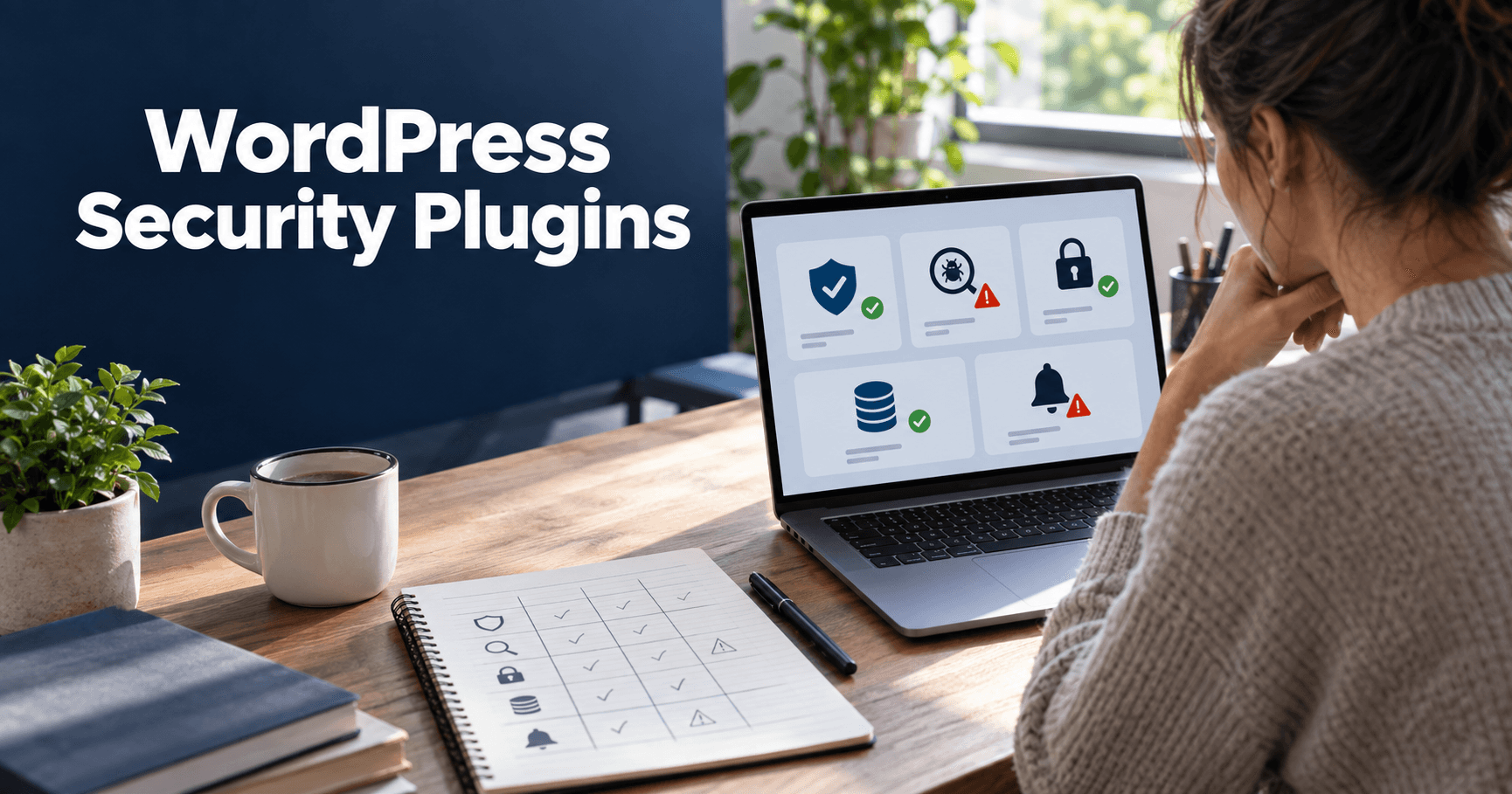
Core capabilities to evaluate
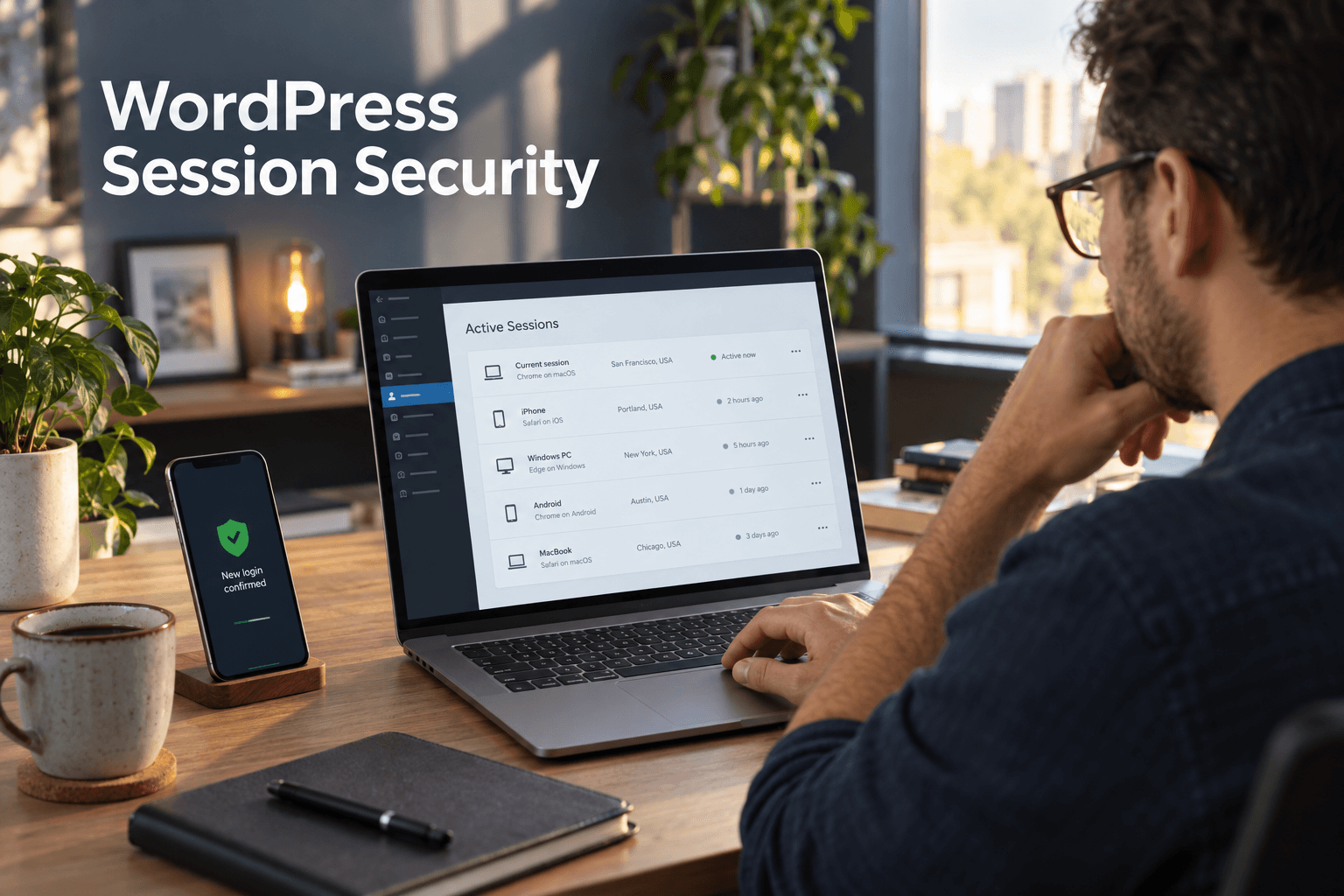
- Login protection: rate limiting, two-factor authentication, session visibility, and account-change alerts.
- Firewall controls: where requests are blocked, how rules update, and whether cached or server-level traffic is covered.
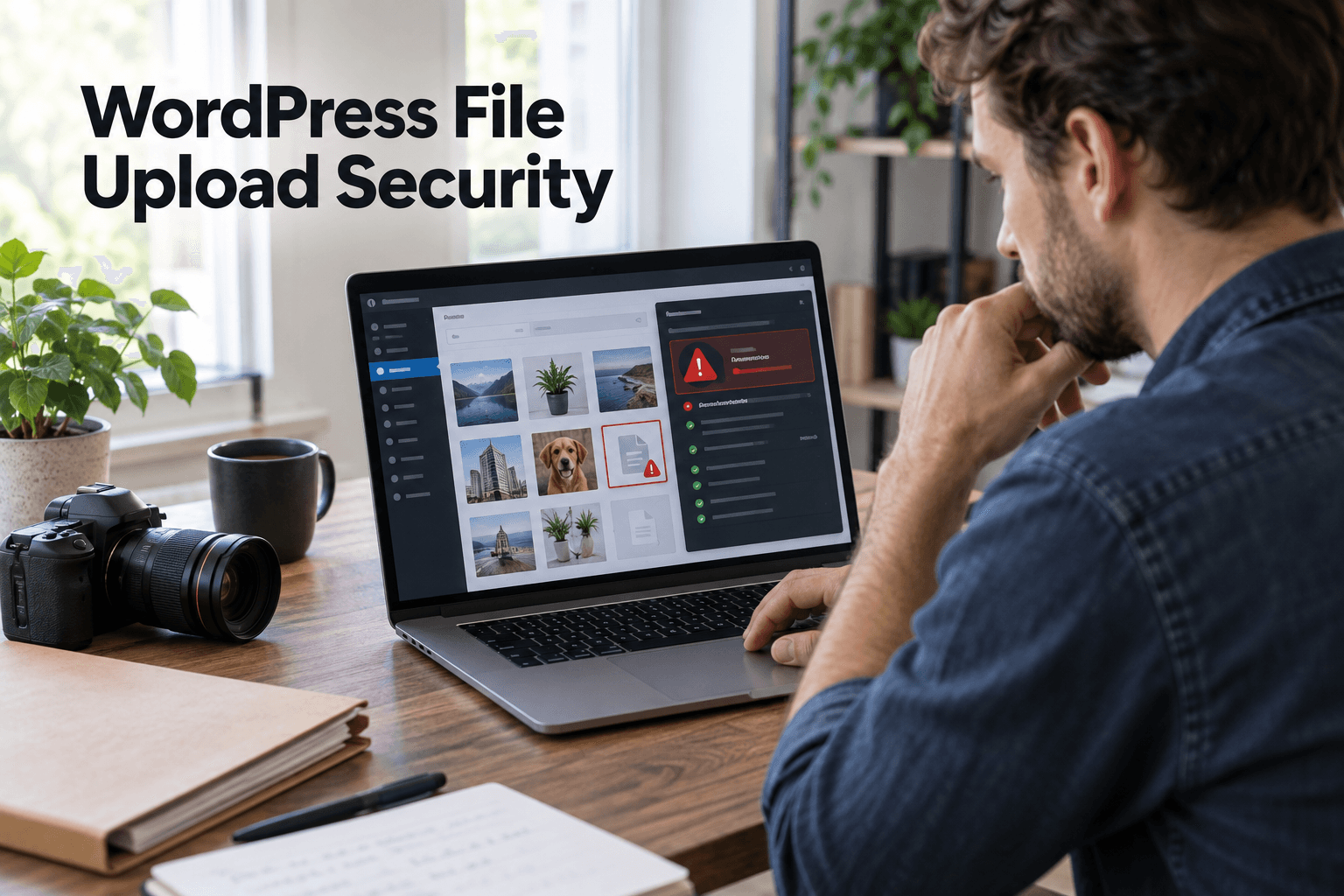
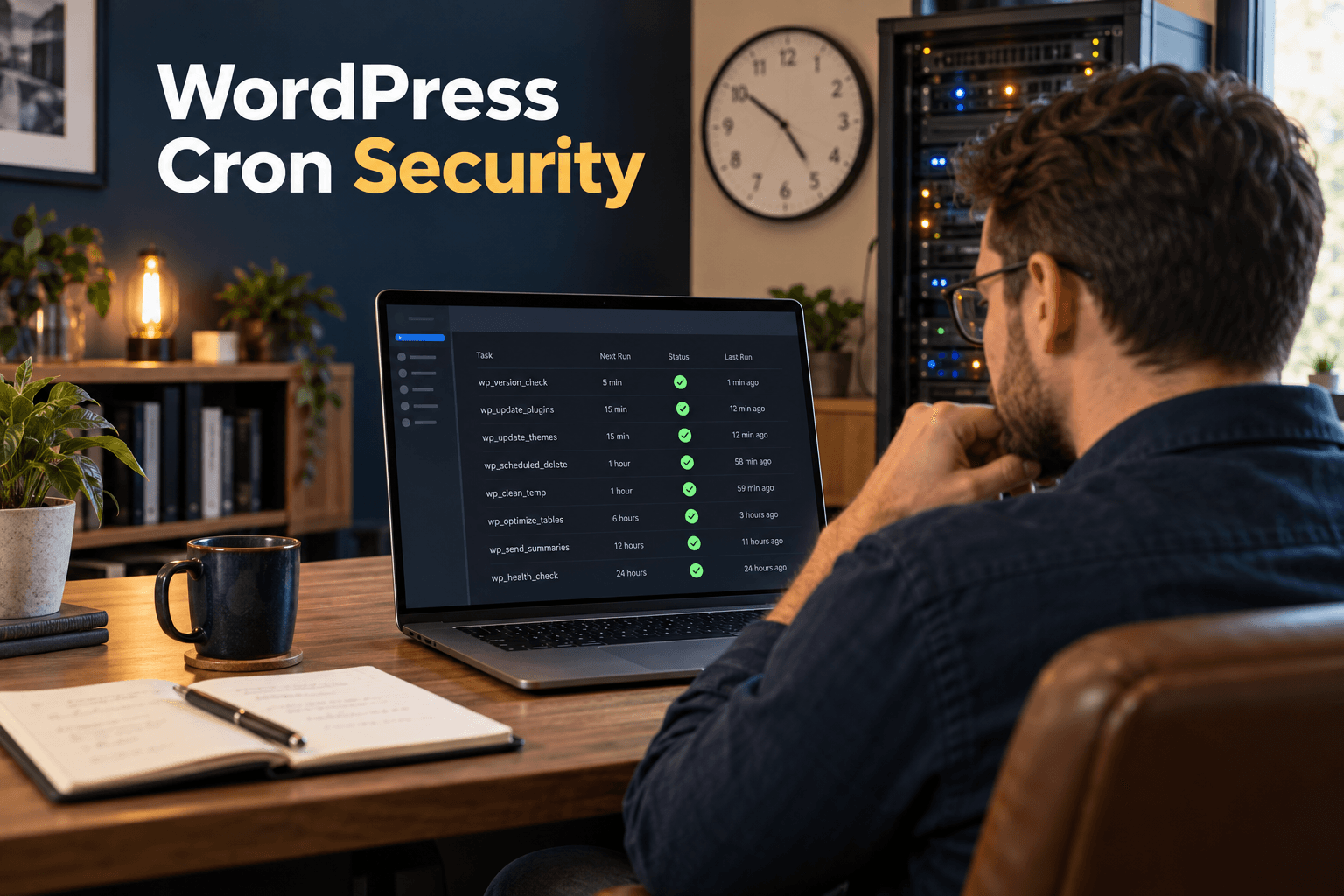
- Malware scanning: files, database, scheduled tasks, external pages, and the quality of explanations.
- File-integrity monitoring: a trustworthy baseline, expected-change handling, and actionable alerts.
- Vulnerability monitoring: current component inventory and clear remediation guidance.
- Audit logging: useful events, retention, access, exports, and privacy implications.
No plugin sees the entire environment. Application-level code may not detect a compromised hosting account, malicious server process, stolen DNS access, or another infected site sharing the same account.
Avoid overlapping controls
Running multiple plugins that each inspect every request or scan every file can increase CPU, memory, database writes, and false alerts. Two login-limit systems may lock users out unpredictably, while duplicate firewall rules make troubleshooting difficult.
Assign one primary tool or layer to each responsibility. Document what is handled by the CDN, host, server, WordPress, and external monitoring. Keep a rollback plan and test backups before changing a mature security configuration.
Premier Sol’s Advanced WordPress Security Solutions can design the layers around the site and hosting environment instead of stacking duplicate plugins.
Review trust, maintenance, and data handling
Confirm that the plugin is actively maintained, compatible with your WordPress and PHP versions, and supported through a credible channel. Review how it receives rule updates, what telemetry leaves the site, where logs are stored, and who can access cloud dashboards.
Limit administrative access to the security plugin. A tool with permission to modify files, block users, or run remote commands becomes a powerful target. Protect its account with strong authentication and monitor configuration changes.
The explains how to protect administrators and recovery workflows.
Test performance and compatibility
Enable features gradually on staging. Measure uncached page time, checkout, search, editor operations, scheduled tasks, backups, and server resource use. Run scans during representative traffic and confirm that legitimate webhooks, payment callbacks, APIs, and administrator actions are not blocked.
Security can support performance when malicious traffic is stopped early, but heavy database logging or repeated local scans can have the opposite effect. Set retention limits and schedule intensive work carefully.
Make alerts actionable
An alert should explain what changed, why it matters, what evidence is available, and what the owner should do next. Route urgent login, administrator, malware, and vulnerability events separately from informational noise. Test notifications rather than assuming email delivery works.
Ongoing keep extensions updated and ensure alerts, backups, and restore checks have an owner.
Know when a plugin is not enough
Escalate when malware returns, the database is altered, payments or personal data may be affected, multiple sites share the environment, or you cannot identify the entry point. Automated removal without root-cause remediation can produce a short-lived clean scan.
For active incidents, use for forensic cleanup, credential rotation, vulnerability remediation, and verification.
Review the to see how tooling fits within a complete remediation process.
Preguntas frecuentes
Do I need a WordPress security plugin?
Many sites benefit from a well-supported plugin for login controls, file monitoring, malware scanning, or alerts. The plugin must fit the hosting stack and cannot replace updates, backups, secure accounts, or server-level protection.
Can two WordPress security plugins run together?
Sometimes, but overlapping firewalls, scanners, login limits, or file monitoring can conflict, duplicate work, slow the site, and generate confusing alerts. Assign one owner to each control and test the combined setup.
Will a security plugin remove all WordPress malware?
No. Automated cleanup may remove known signatures but miss hidden persistence, database injections, stolen credentials, or the original vulnerability. Repeated or serious infections need a broader investigation.
How should I choose a WordPress security plugin?
Define the controls you need, verify active maintenance and support, review data handling and compatibility, test resource use, confirm alert quality, and plan how settings and logs will be managed.