A WordPress backup is useful only if it can restore the website to a known-good state within the time the business can tolerate. Installing a backup plugin and seeing a green message does not prove that the archive is complete, isolated from the live account, or recoverable.
This practical plan covers backup frequency, storage, retention, testing, and recovery. It is designed for business sites where lost orders, leads, content, or customer data have a real cost.
Start with recovery objectives
Define two numbers. The recovery point objective is how much recent data you can afford to lose. The recovery time objective is how long the site can remain unavailable. A brochure site might tolerate one day of data loss; an online store may not tolerate losing even an hour of orders.
These objectives determine backup frequency and the recovery process. They also reveal whether a simple nightly archive is enough or whether database changes need near-continuous protection.
What a complete WordPress backup contains
- The database, including posts, settings, users, orders, and plugin data.
- Themes, plugins, custom code, and configuration files.
- The uploads library and any files stored outside the standard WordPress folders.
- Server or deployment configuration needed to reproduce the environment.
- A record of DNS, email, payment, CDN, and third-party integration settings.
Avoid restoring unknown malware with the site. Keep several dated recovery points and record when the first suspicious behavior appeared. A backup from five minutes ago is not clean if the attacker entered two weeks earlier.
If compromise is suspected, follow the containment and evidence steps in Hacked WordPress Site? Emergency Recovery Steps before overwriting the current server.
Use the 3-2-1 principle
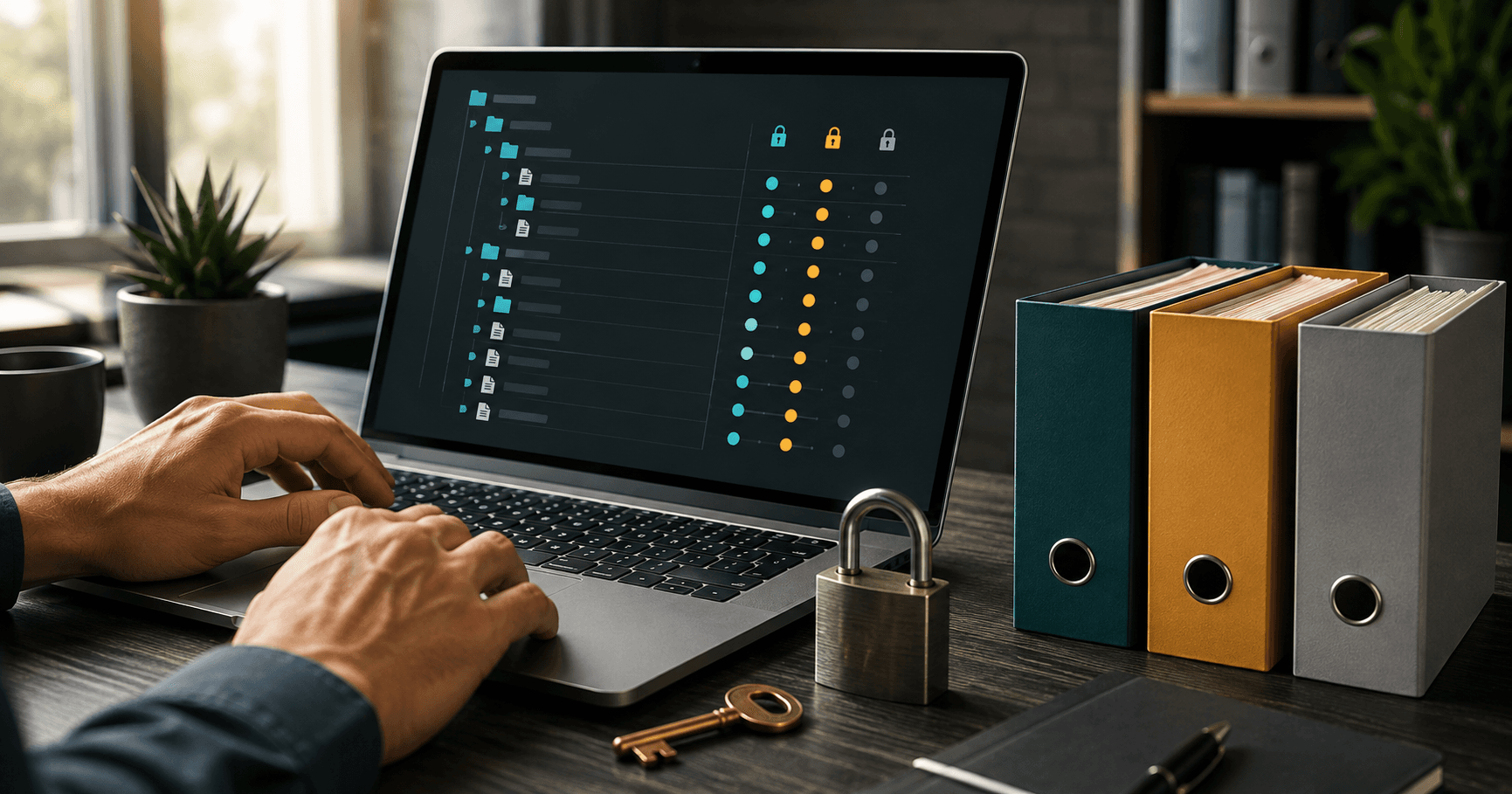
Maintain at least three copies, stored on two different systems, with one copy isolated off-site. For WordPress, that could mean the live site, an encrypted backup in independent object storage, and a second protected archive controlled through another account.
Do not keep every copy inside the same hosting account. If stolen credentials or ransomware reaches that account, the attacker may delete both the site and its backups. Separate accounts, limited permissions, encryption, and multi-factor authentication reduce this shared risk.
Choose a frequency based on change rate
Back up files after deployments and before major updates. Back up the database according to business activity. Stores, learning platforms, communities, and booking systems change throughout the day; a static services site changes less often.
Retain daily, weekly, and monthly recovery points. Longer retention helps when a slow compromise is discovered late, but it also increases storage and privacy responsibilities. Set a documented retention policy instead of keeping everything forever.
A managed can combine updates, off-site backups, uptime monitoring, and scheduled restore tests for teams that do not want to own the process internally.
Test restores, not just backups
At least quarterly—and more often for high-change sites—restore a backup into an isolated environment. Confirm the database imports, media loads, administrator login works, URLs are correct, and forms, checkout, search, and scheduled jobs behave as expected.
Measure how long the restore takes and document missing credentials or manual steps. A test that needs one person’s memory is not a reliable business process.
Build a recovery runbook
- Name the person authorized to declare an incident and start recovery.
- Record where backup copies and decryption credentials are stored.
- Define how to select a clean recovery point.
- List DNS, cache, CDN, email, and integration checks.
- Include a communication plan for customers and internal stakeholders.
- Require a security review before bringing a restored site back online after a hack.
Recovery after malware or a server failure
For an infrastructure failure, restoring the latest verified backup may be sufficient. For a security incident, recovery also requires identifying the entry point, rotating credentials and salts, updating vulnerable components, checking other sites on the account, and monitoring for reinfection.
Use the to determine why a restored site becomes compromised again.
When a clean recovery point is uncertain, Premier Sol’s service can investigate, clean, restore, and harden the site. The
The shows how cleanup and prevention fit together.
Frequently Asked Questions
How often should a WordPress website be backed up?
Match backup frequency to how often data changes. Stores, membership sites, and active forms may need hourly or continuous database backups, while a low-change brochure site may use daily backups.
What is the 3-2-1 backup rule?
Keep at least three copies of important data, on two different storage types, with one copy stored off-site or otherwise isolated from the production account.
Does a hosting backup count as a complete recovery plan?
It is useful but should not be the only copy. A hosting outage, account compromise, retention limit, or billing problem can make provider backups unavailable when they are needed.
How can I know whether a WordPress backup works?
Restore it into an isolated staging environment, verify files and database content, test logins and business-critical flows, and record the time and steps required.