جہاں ترجمہ دستیاب نہیں، مواد اپنی اصل انگریزی زبان میں دکھایا جاتا ہے۔
اس مضمون میں
Few security problems are more frustrating than malware that returns hours or days after a cleanup. The repeat infection is a useful clue: persistence survived, the original entry point is still open, or another compromised system is rewriting the site.
Stop treating each new file as an isolated event. Preserve samples, build a timeline and identify the process, credential or vulnerability that creates the change.
Nine common causes of WordPress reinfection
1. A hidden backdoor survived
A visible payload may be only the symptom. A concealed loader can restore it after scans or updates. Follow the and compare the full installation with trusted packages.
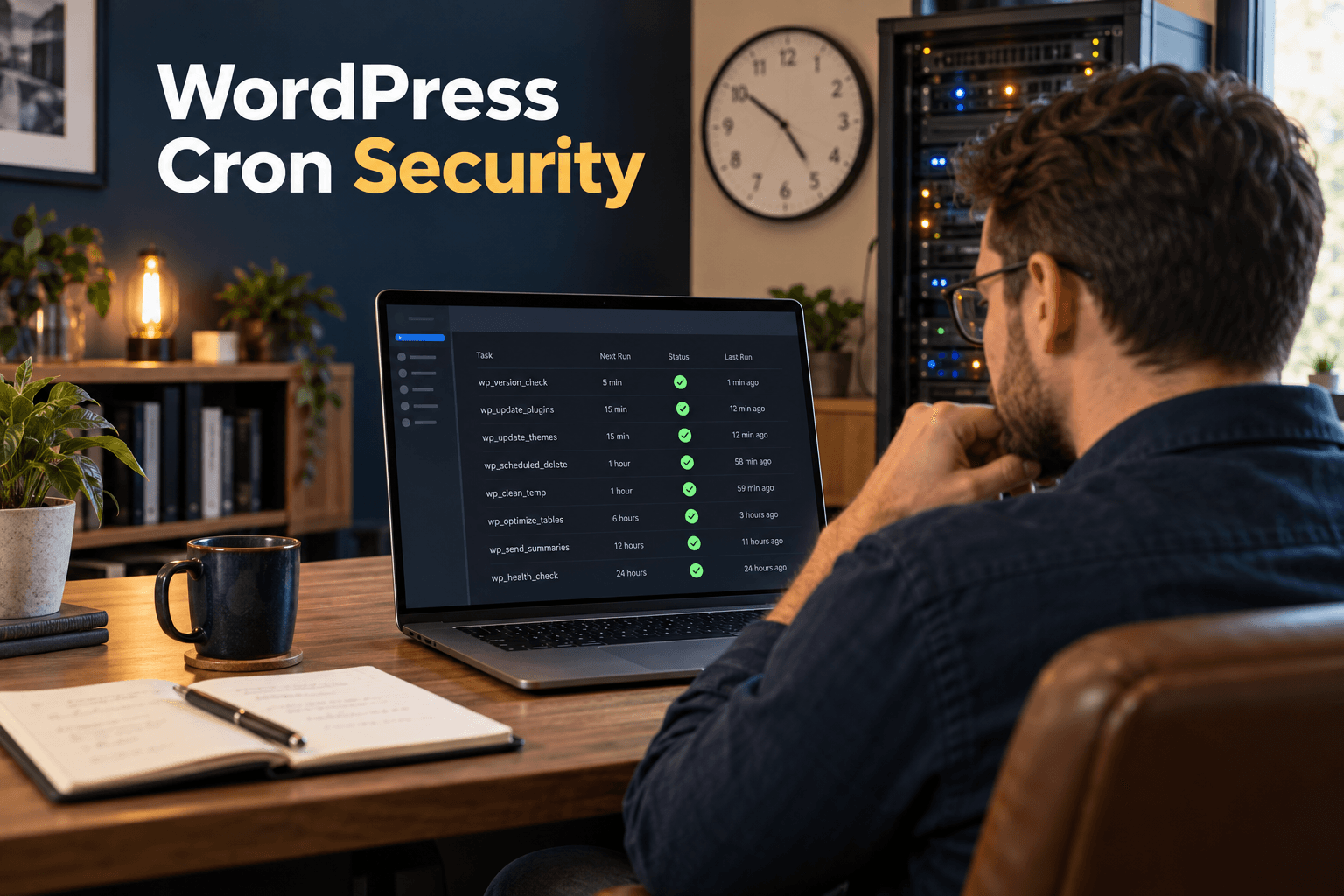
2. A scheduled task recreates malware
WordPress cron, server cron or hosting can download or rewrite malicious files. Record unknown jobs, owners and commands before disabling confirmed persistence.
پڑھنا جاری رکھیں
باخبر رہیں
مزید مفید مطالعہ، آپ کے ان باکس میں
ویب سائٹ کی ترقی، تکنیکی SEO، اور آٹومیشن پر نئے مضامین کے لیے سبسکرائب کریں۔
اپنا پروجیکٹ شروع کریں
آئیے تعمیر کریں کچھ غیر معمولی۔
اپنی ویب سائٹ کا یو آر ایل (URL)، مقاصد، پلیٹ فارم، اور کوئی بھی آخری تاریخ یا بجٹ کی پابندیاں شیئر کریں۔ ہم عام طور پر ایک کاروباری دن کے اندر سوالات یا تجویز کردہ اگلے اقدامات کے ساتھ جواب دیتے ہیں۔ براہ کرم پاس ورڈز یا گاہکوں کے ریکارڈز نہ بھیجیں۔
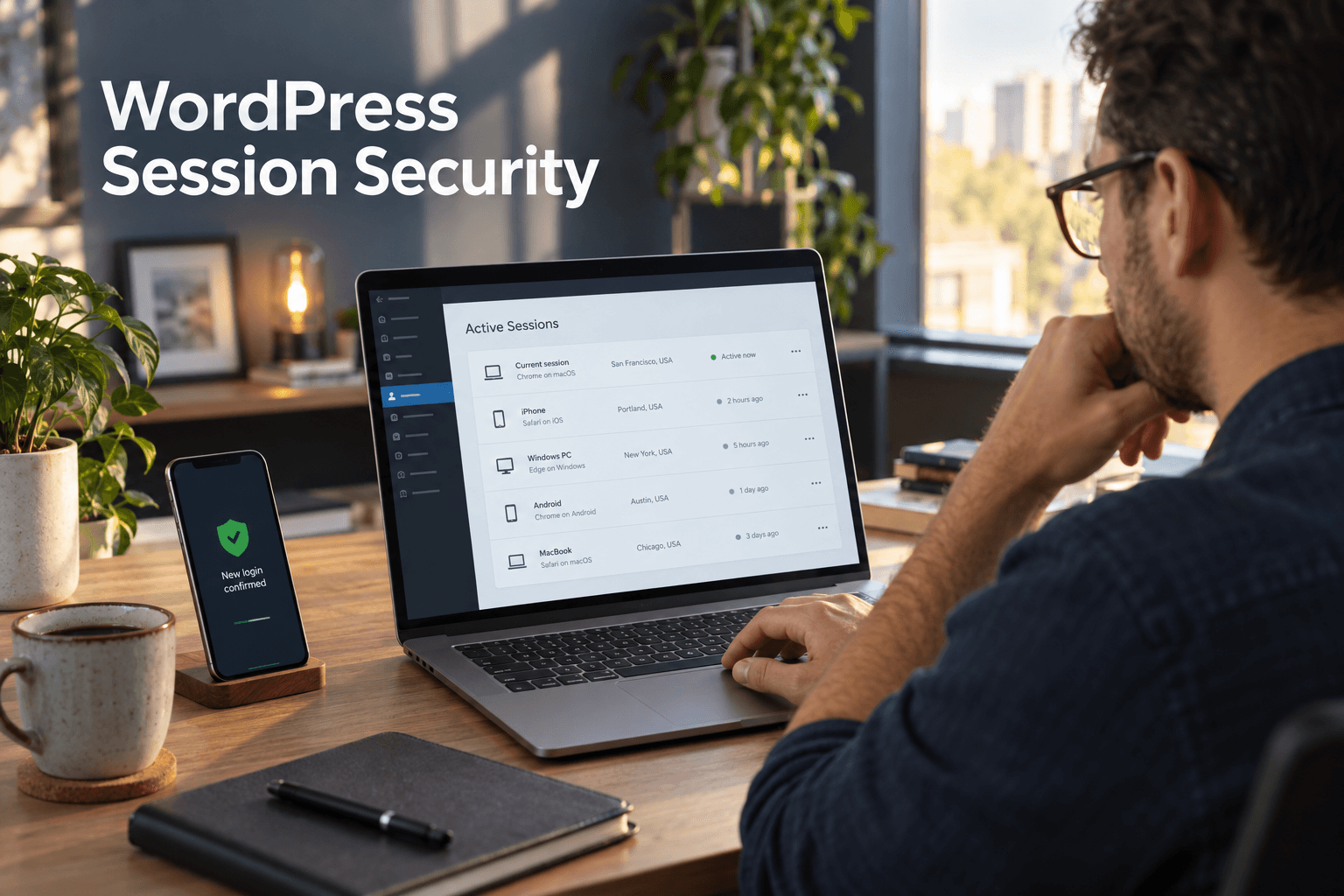
Attackers can return through an administrator account, application password or stolen session. Use the rogue administrator checklist and verify every privileged user through a separate channel.
4. The vulnerable extension remains
Cleaning malicious output without patching the exploited component invites another compromise. Update maintained software from trusted sources and remove abandoned, nulled or unnecessary extensions, including inactive copies.
5. Credentials were never rotated
Stolen WordPress, hosting, SFTP, SSH, database, CDN or deployment credentials remain valid after file cleanup. Rotate them from trusted devices, update WordPress salts and invalidate active sessions.
6. Another site on the account is infected
Shared hosting often contains several installations, staging copies and forgotten subdomains. Weak isolation lets one compromised site affect another. Inventory and examine the full account.
7. The database still contains a payload
Scripts, administrator capabilities, redirects or loaders may live in options, widgets or page content. Search a backed-up copy and review changes carefully; avoid unsafe global replacements on production.
8. A third-party service is compromised
DNS, tag managers, CDN rules, advertising scripts and deployment pipelines can alter traffic or code without changing WordPress files. Audit every layer that can publish or route the site.
9. The cleanup used an infected backup
A backup is useful only if it predates the compromise and can be verified. Restoring an infected snapshot or copying unexamined uploads and custom code can reintroduce the attacker.
A better reinfection investigation
Preserve every recurring file and record its exact path, hash and timestamp.
Correlate changes with logins, scheduled jobs, deployments and web requests.
Compare core, plugin and theme code with trusted releases.
Review users, sessions, application passwords and server access.
Inspect database changes, DNS, CDN and sibling websites.
Close the cause before returning the site to normal traffic.
Take a full snapshot before editing. Quarantine confirmed malware outside the web root instead of destroying the only sample. Replace compromised components from trusted sources and document every deletion, credential rotation and configuration change.
Test in staging, deploy the clean build and rebuild caches. Monitor file integrity, users, scheduled tasks, outbound connections and authentication events. If a file returns, investigate the process that wrote it.
Prevent the next reinfection
Apply tested updates promptly and remove unsupported software.
Use unique credentials and multi-factor authentication.
Separate sites and limit write permissions.
Maintain automated off-site backups and test restoration.
Monitor privileged users and application passwords.
Malware returns when cleanup misses a backdoor, scheduled task, rogue account, stolen credential, vulnerable extension, infected sibling site or compromised server-level access.
Does reinfection mean the security scanner failed?
Not necessarily. Scanners detect known patterns and suspicious changes, but attackers can hide code or restore it from another location. Combine scans with file comparison, logs, access review and infrastructure checks.
Can an inactive plugin cause reinfection?
Yes. Inactive plugin files remain on the server and may still contain a remotely reachable vulnerability. Remove software that is unused, abandoned or obtained from an untrusted source.
Should I restore an older backup every time?
A known-clean backup can help, but repeated restoration without fixing the entry point can recreate the incident. Verify the backup date, patch vulnerabilities and rotate credentials before relaunching.
Can another website on the same account reinfect WordPress?
Yes. Weak isolation can allow malware or stolen credentials from one site to affect another. Investigate sibling sites, shared users, server tasks and hosting-panel access.
How long should I monitor after cleanup?
Monitor continuously, with focused checks immediately after launch and again after one day, one week and one month. Watch files, users, scheduled tasks, logins, redirects and outbound connections.
Final checklist
Preserve recurring samples and build a timeline.
Find the process or access path that recreates malware.
Remove all persistence and replace compromised code.
Patch the vulnerability and rotate exposed credentials.
Verify the wider hosting, DNS and deployment environment.
Monitor after launch and investigate recurrence immediately.