
AI Search Optimization (AEO & GEO)
Improve how search and AI answer engines understand your website through crawlability, clear content, relevant structured data, and consistent business information.
Performance figures, response times, and support examples on this page depend on the project. Final targets, coverage, and acceptance criteria are agreed in writing before work begins.
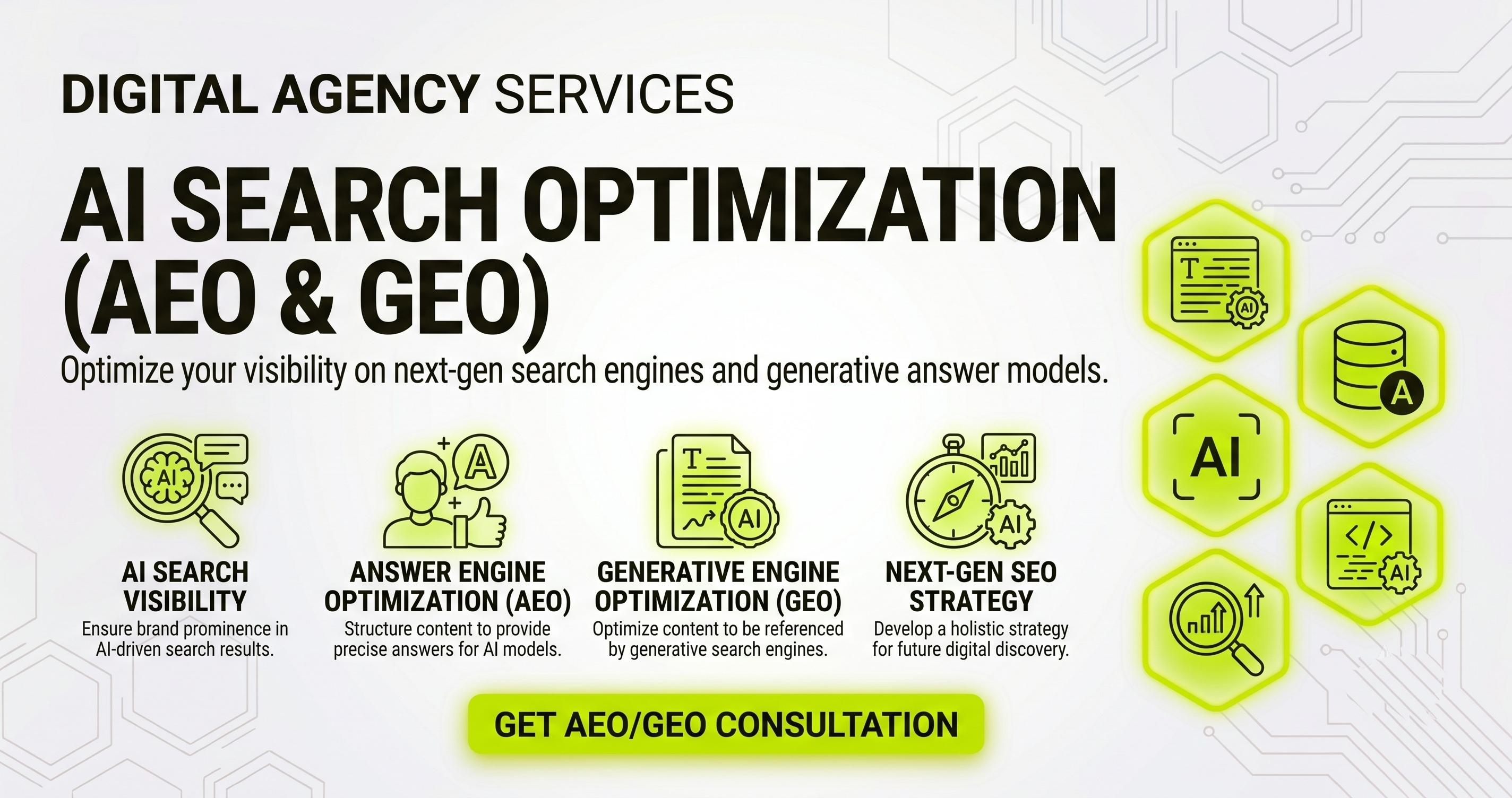
Search has changed. A growing share of your customers never click a blue link — they ask ChatGPT for recommendations, read Google's AI Overview, or let Perplexity summarize the answer with citations. If AI engines don't know your brand, you're invisible in the fastest-growing search channel. Answer Engine Optimization (AEO) and Generative Engine Optimization (GEO) fix that.
SEO vs. AEO vs. GEO — In One Paragraph
SEO gets you ranked in traditional search results. AEO gets you into answer boxes, featured snippets, and Google AI Overviews. GEO gets your brand cited and recommended inside generative engines like ChatGPT, Claude, and Perplexity. They overlap, but each has distinct technical and content requirements — we cover all three. For the full breakdown, read our complete AEO vs GEO vs SEO guide.
What's Included
- AI visibility audit — we test how ChatGPT, Perplexity, Gemini, and Google AI Overviews currently describe (or ignore) your brand across the queries your buyers actually ask, and benchmark you against competitors.
- Technical AI-readiness — llms.txt implementation, server-side rendering fixes (most AI crawlers can't execute JavaScript), structured data (Organization, FAQ, Article schema), and crawler access configuration.
- Entity building — consistent brand identity across your site, schema, directories, and profiles so AI engines recognize you as a distinct, trustworthy entity.
- Answer-first content optimization — restructuring key pages into the question-and-direct-answer format AI engines extract from: definition blocks, comparison tables, statistics, and citable original data.
- Monthly AI citation tracking — ongoing monitoring of how AI engines answer your target queries, with a report showing mentions, citations, and sentiment over time.
Why Us — We Practice What We Sell
Our own site runs the full AEO/GEO stack we implement for clients — llms.txt, entity-consistent schema, server-rendered answer-first content — layered on top of proven technical SEO services. AI search optimization isn't a replacement for SEO; it's the next layer on a sound foundation, and we build both.
Related services and insights
Continue exploring: GEO versus AEO versus SEO, optimizing WordPress content for AI Overviews and AI integration and chatbot development.
What the service covers
Answer Engine Optimization (AEO)
Structuring your content so AI assistants — ChatGPT, Perplexity, Google AI Overviews — surface your brand as the authoritative answer. We optimize for direct citations, not just blue links.
Generative Engine Optimization (GEO)
Implementing entity-rich content, quotable statistics, and authoritative source signals that increase the probability of your pages being referenced in AI-generated search summaries.
Comprehensive Schema Markup
JSON-LD structured data for FAQ, HowTo, Product, Organization, Article, and LocalBusiness types — feeding search engines and AI models the machine-readable context they need to cite you.
Content Authority Architecture
Building topical authority through pillar-cluster content models, internal linking strategies, and E-E-A-T (Experience, Expertise, Authoritativeness, Trustworthiness) signal optimization.
What the work aims to improve
Visibility in AI-Generated Answers
AI Citation ReadyAs search shifts from link-clicking to answer-reading, brands optimized for AEO/GEO appear directly in AI responses — capturing attention before users ever see a traditional SERP.
Potential for More Qualified Clicks
CTR Improvement PotentialClear answers, useful structured data, and strong search snippets can improve visibility and earn more qualified clicks when enhanced results are available.
Adaptable Search Strategy
Built for ChangeOur combined SEO, AEO, and GEO approach gives your content a sound foundation as search interfaces and citation patterns continue to evolve.
How the work is delivered
AI Search Landscape Analysis
We test how ChatGPT, Perplexity, Gemini, and Google AI Overviews currently respond to queries in your niche — identifying where your brand is missing from AI-generated citations.
Content Gap & Entity Mapping
Mapping the entities, statistics, and authoritative claims your content needs to include so AI models recognize you as a primary source — not a secondary reference.
On-Page Optimization & Schema Injection
Rewriting key pages with quotable statements, inline statistics, and structured data markup that signal authority to both traditional crawlers and large language models.
Monitoring & Iteration
Monthly tracking of your brand's appearance in AI-generated answers, traditional SERP positions, and organic traffic. Content is iteratively refined based on real citation data.
Before we start
- Share the starting point
- Send your website URL, platform, the problem to solve, and any deadline or budget constraints. An existing site may need an assessment before a solution can be recommended.
- Agree what is included
- Confirm deliverables, exclusions, dependencies, and pricing before work begins. Hosting, paid tools, content entry, and ongoing support should be discussed separately when needed.
- Define acceptance checks
- Agree which pages, devices, integrations, and measurements will be checked. Compare results with a documented baseline where performance or search work is involved.
- Plan access and handover
- Discuss account ownership, the access needed for delivery, documentation, and any training or maintenance arrangements. Confirm ongoing support in the written scope.
Please do not send passwords, API keys, or customer records through the inquiry form or chat.
Frequently Asked Questions
What is the difference between SEO, AEO, and GEO?
SEO targets traditional search engine rankings (blue links). AEO (Answer Engine Optimization) optimizes your content to be the direct answer in voice assistants and AI chatbots. GEO (Generative Engine Optimization) specifically targets inclusion in AI-generated search summaries like Google AI Overviews and Perplexity.
Is traditional SEO still relevant if AI search is growing?
Yes. For most sites, organic search remains a core traffic source, and the fundamentals also support AI search: crawlable pages, direct answers, clear entity details and structured data. AEO and GEO work builds on SEO rather than replacing it. We cannot promise rankings or AI citations.
What affects the cost of AI search optimization?
Cost depends on the number of pages and entities in scope, how much structured data and content restructuring they need, and whether you want one-off implementation or ongoing monitoring. We confirm scope, deliverables and price in writing after reviewing your site. We cannot promise rankings or AI citations.
How is AEO different from traditional SEO?
Traditional SEO competes for a ranked position in a list of links. AEO and GEO compete to be the source an AI engine cites when it composes an answer. The mechanics differ: AI systems favour content that answers a question directly and unambiguously, carries clear structure and entity definitions, and can be extracted in a self-contained passage. A page can rank well in classic search and still never be cited, because it buries the answer in narrative.
Can you actually measure whether AI engines cite my brand?
There is no rank tracker for AI answers in the conventional sense, but it is measurable. We track branded and unbranded prompt sets across ChatGPT, Perplexity, Google AI Overviews, and Claude, recording whether you are cited, how you are described, and which competitors appear alongside you. Repeated at intervals, that gives a defensible trend line. Anyone claiming a precise real-time AI ranking number is overstating what current tooling can do.
What technical issues stop AI engines from citing my site?
Client-side rendering is the most common and most damaging one. Many AI crawlers do not execute JavaScript, so content injected after page load is simply invisible to them — your page appears effectively blank. Server-side rendering or static generation fixes this. Beyond that: missing or inaccurate structured data, answers buried deep in long narrative sections, and inconsistent entity naming across your own site all reduce the likelihood of being cited.
Why does consistent brand naming matter for AI search?
AI systems build a picture of your organisation from many sources, not just your website. Consistent naming, descriptions, and details across your site, structured data, business profiles, and third-party mentions help engines resolve you as a single confident entity. Inconsistency — trading under slightly different names in different places, for example — fragments that picture and makes an engine less likely to cite you with confidence.
How long does an AI search optimization project take?
Timing depends on the number of pages in scope, the state of your structured data, and how quickly we receive Search Console and CMS access. You receive the timeline and the list of deliverables in the written scope, and template or markup changes are tested on staging before they go live.
Explore published projects
View All Projects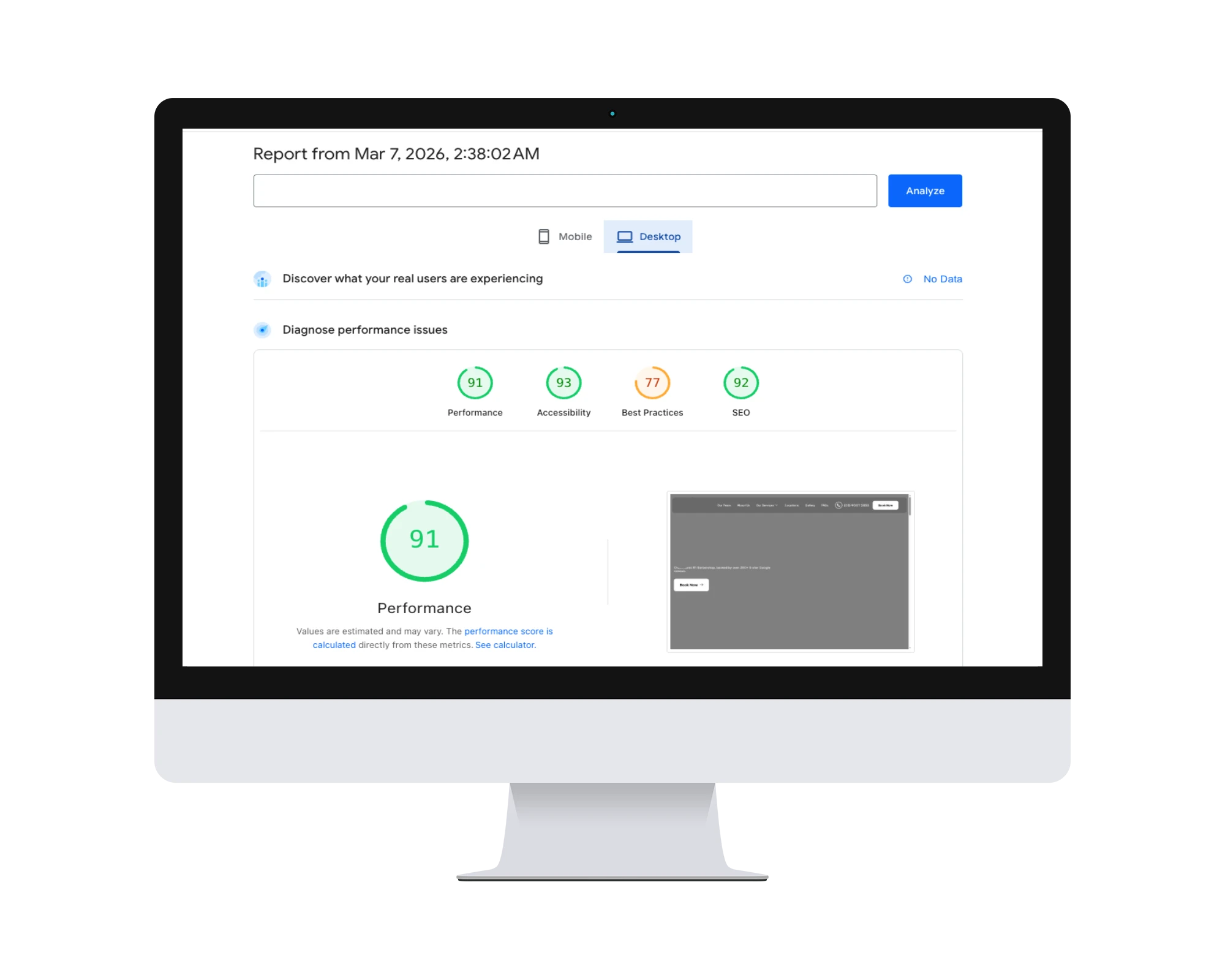
WordPress Speed Optimization: Rescuing a Sub-20 Desktop Score
Premier Solutions rescued a WordPress site failing desktop speed tests (under 20/100) using next-gen WebP images, multi-tiered caching, and JS minification to deliver top-tier Core Web Vitals.
View Case Study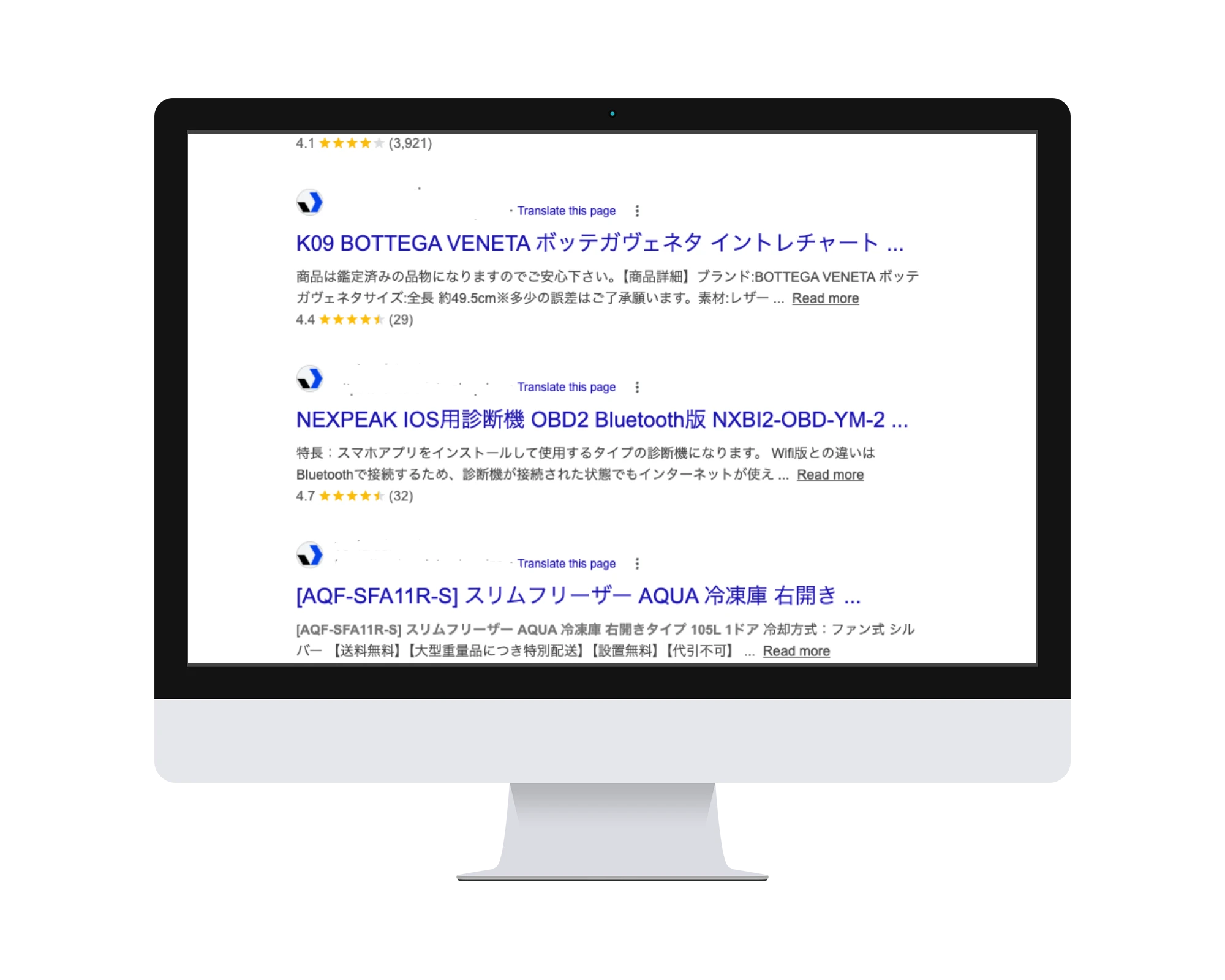
WordPress Security Recovery: Complete Malware Removal & Hardening
A WordPress malware-recovery case study covering spam removal, rogue administrators, clean-file restoration and post-cleanup hardening.
View Case Study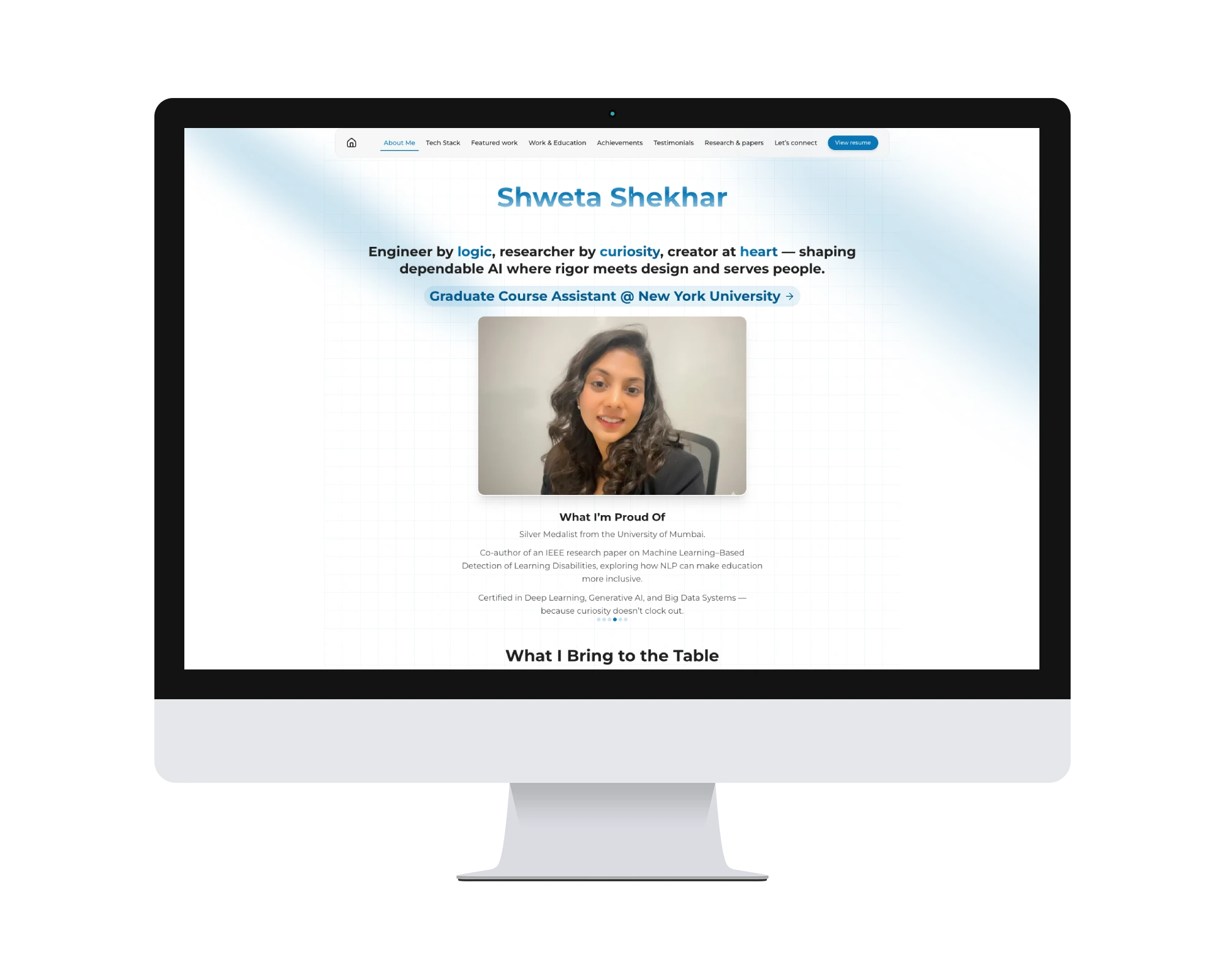
High-Performance Single-Page Portfolio: Next.js & React.js Development
Premier Solutions engineered a fast, single-page personal portfolio with Next.js and React.js — a responsive, highly optimized digital presence with an app-like experience.
View Case StudyExplore our services

AI Integration & Chatbot Development
Connect Claude, ChatGPT, or Gemini to your website. We build custom AI chatbots, RAG knowledge systems, MCP integrations, and AI-powered workflows for WordPress and Next.js platforms.
Learn More
WordPress Maintenance & Care Plans
Monthly WordPress maintenance with tested updates, security monitoring, daily backups, uptime checks and priority support.
Learn More
Emergency Hacked WordPress Site Recovery
Recover a hacked WordPress site with malware removal, rogue-account review, clean-file restoration, and security hardening. Scope, pricing, and timing follow assessment.
Learn More