
WordPress Security Recovery: Complete Malware Removal & Hardening
A WordPress malware-recovery case study covering spam removal, rogue administrators, clean-file restoration and post-cleanup hardening.
- Client
- WordPress Security Recovery Client
- Scope
- WordPress Website Development
- Case study published
Project preview
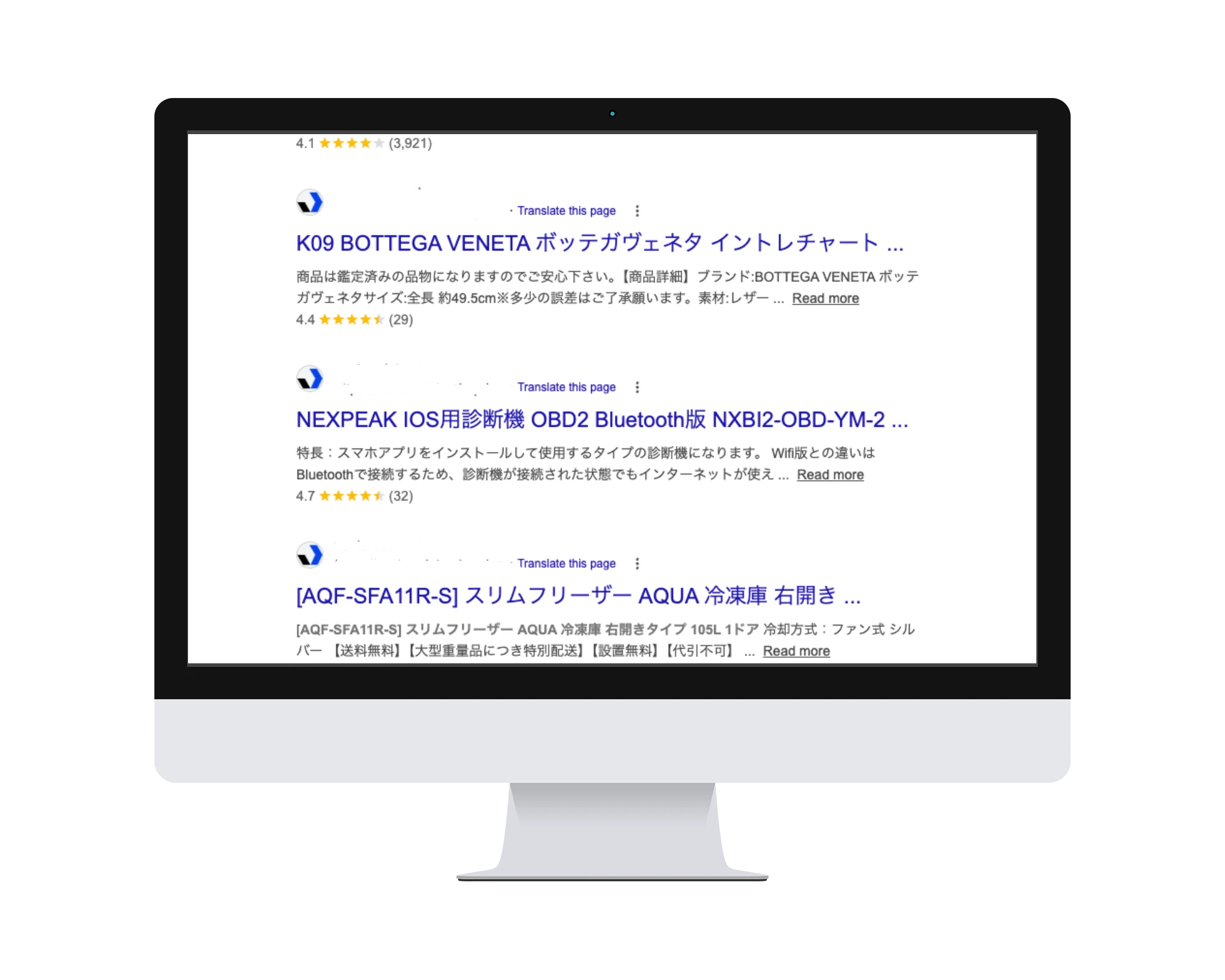
These frames show the same project image at different widths. Open the image to view it in full; the frames are not separate desktop and mobile screenshots.
What changed for this project
These results come from this project record. They describe this project and do not guarantee the same outcome for another website.
Malware Files Removed
100% Clean60+ Backdoors
Every webshell, obfuscated injection, and cron-based re-infector was identified and purged.
Google Warning Lifted
72h Recovery72 Hours
Google's 'This site may be hacked' manual action was lifted within 3 days of our cleanup.
Organic Traffic Recovery
Full Recovery+340%
Traffic returned to pre-hack levels within 4 weeks and exceeded them within 8 weeks.
The client’s challenge
The client's WordPress site was compromised with a Japanese keyword hack — injecting thousands of spam pages into Google's index, redirecting organic visitors to phishing sites, and triggering Google's 'This site may be hacked' warning. Organic traffic dropped 90% within days.
The approach and implementation
We performed emergency malware removal (60+ backdoor files), cleaned the database of injected spam content, submitted removal requests for spam-indexed URLs, and deployed server-level WAF rules with file integrity monitoring to prevent re-infection. Google's manual action was lifted within 72 hours of our reconsideration request.
The Challenge
A compromised website is a digital emergency that threatens a brand's reputation, its SEO rankings, and its users' safety. This WordPress site came to us under a severe, targeted brute-force attack. The attackers had bypassed standard registration filters to automatically generate multiple rogue administrator accounts using automated bot emails. The fallout was extensive: the database was bloated with over 6,000 injected spam posts, and malicious code was deeply embedded within the site's architecture. The immediate goal was not only to stop the active bleed, but to completely overhaul the site's security posture so it could never happen again.
The Solution
Our team executed a systematic, multi-layered triage and recovery protocol. First, we quarantined the environment and conducted a granular audit of the WordPress core, themes, and plugins to isolate and permanently remove every trace of malicious code and backdoors. With the file system clean, we tackled the compromised database: a rigorous optimization pass that surgically purged the 6,000+ spam posts, deleted the rogue user accounts, and cleared out the orphaned metadata dragging down performance.
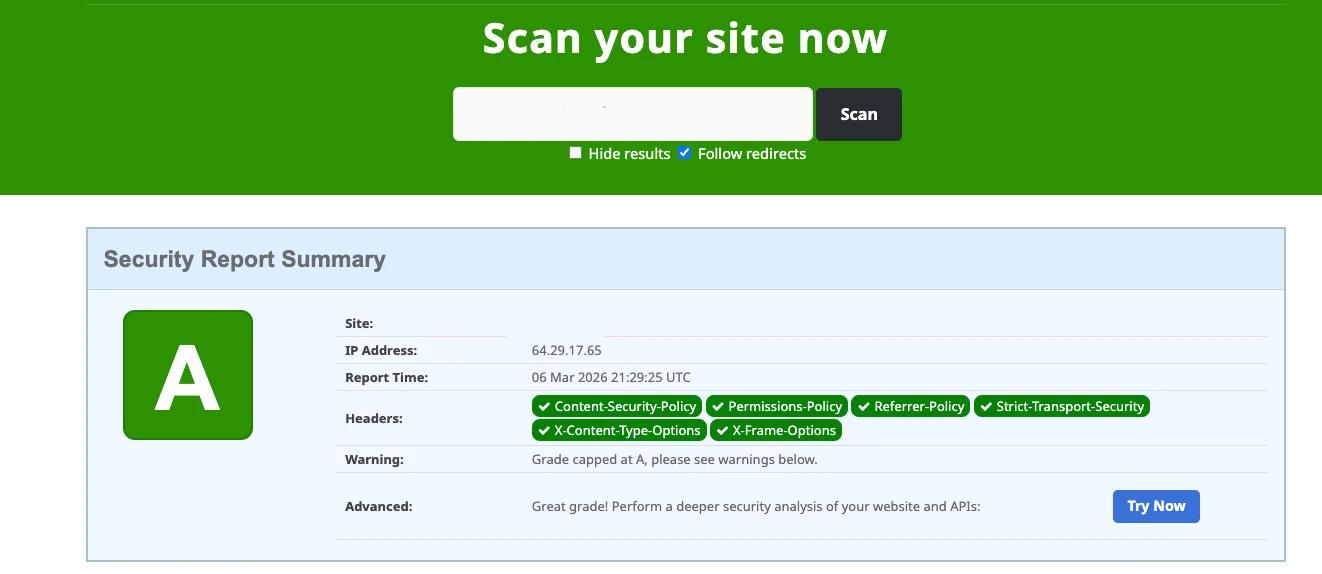
With the infection cleared, we hardened the perimeter. Knowing that standard registration filters had already failed once, we masked and protected the default WordPress login URL to instantly neutralize automated brute-force scripts. Finally, we implemented strict HTTP security headers to protect against cross-site scripting (XSS) and clickjacking, ensuring the server rejects malicious payloads before they ever reach the application layer.
Results at a Glance
- 6,000+ injected spam posts purged from the database
- All rogue admin accounts and backdoors identified and removed
- Zero data loss — all legitimate content and settings preserved
- Dramatically faster load times after database optimization
- Zero reinfection since hardening — brute-force traffic fully neutralized
The Outcome
The website was restored to a clean, highly secure state with zero data loss for legitimate content. Aggressively clearing the spam and optimizing the database dramatically improved loading speed, while the protected login architecture and strict security headers neutralized the ongoing bot traffic entirely. The site owner walked away with long-term stability, peace of mind, and a fortified defense against future attacks.
Is Your WordPress Site Showing Signs of a Hack?
Unexpected redirects, unknown admin users, spam pages in Google, or a sudden traffic drop are all warning signs — and every hour an infection stays live costs you rankings and trust. Our WordPress security services cover emergency malware removal, hardening, and ongoing monitoring. Contact us for a free security assessment — we typically respond within hours.
Related services and insights
Continue exploring: how to secure a WordPress website and Wordfence versus Cloudflare.
Results shown are specific to this engagement and are not forecasts. Outcomes vary with the starting condition, traffic, market, hosting, and ongoing changes.
More project stories
View All Portfolios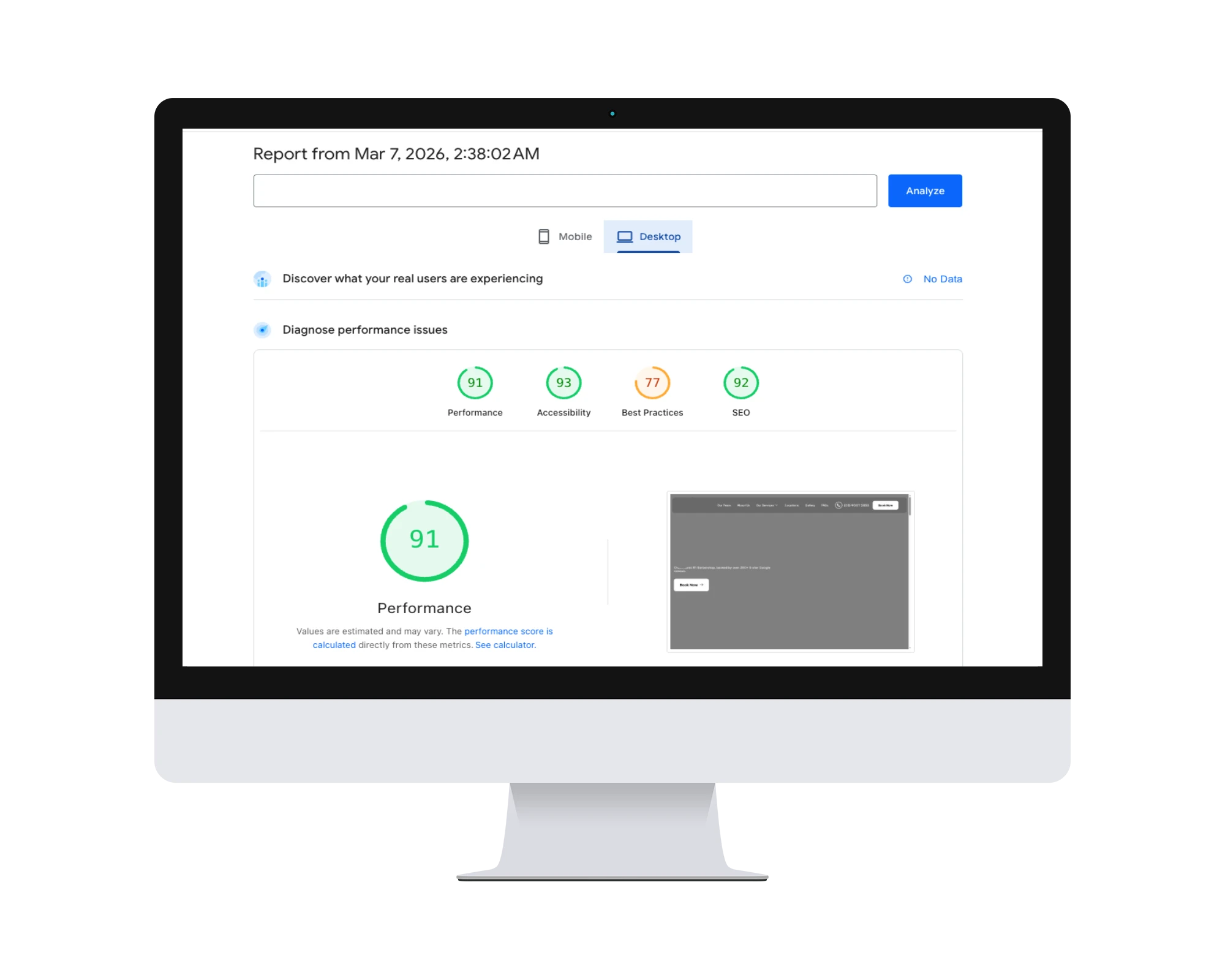
WordPress Speed Optimization: Rescuing a Sub-20 Desktop Score
Premier Solutions rescued a WordPress site failing desktop speed tests (under 20/100) using next-gen WebP images, multi-tiered caching, and JS minification to deliver top-tier Core Web Vitals.
View Portfolio
Apex Miles Website Case Study
Premier Solutions transformed a competitor benchmark into a unique, lead-generating WordPress site for Apex Miles using Elementor — a complete UX/UI and technical build from a blank canvas.
View Portfolio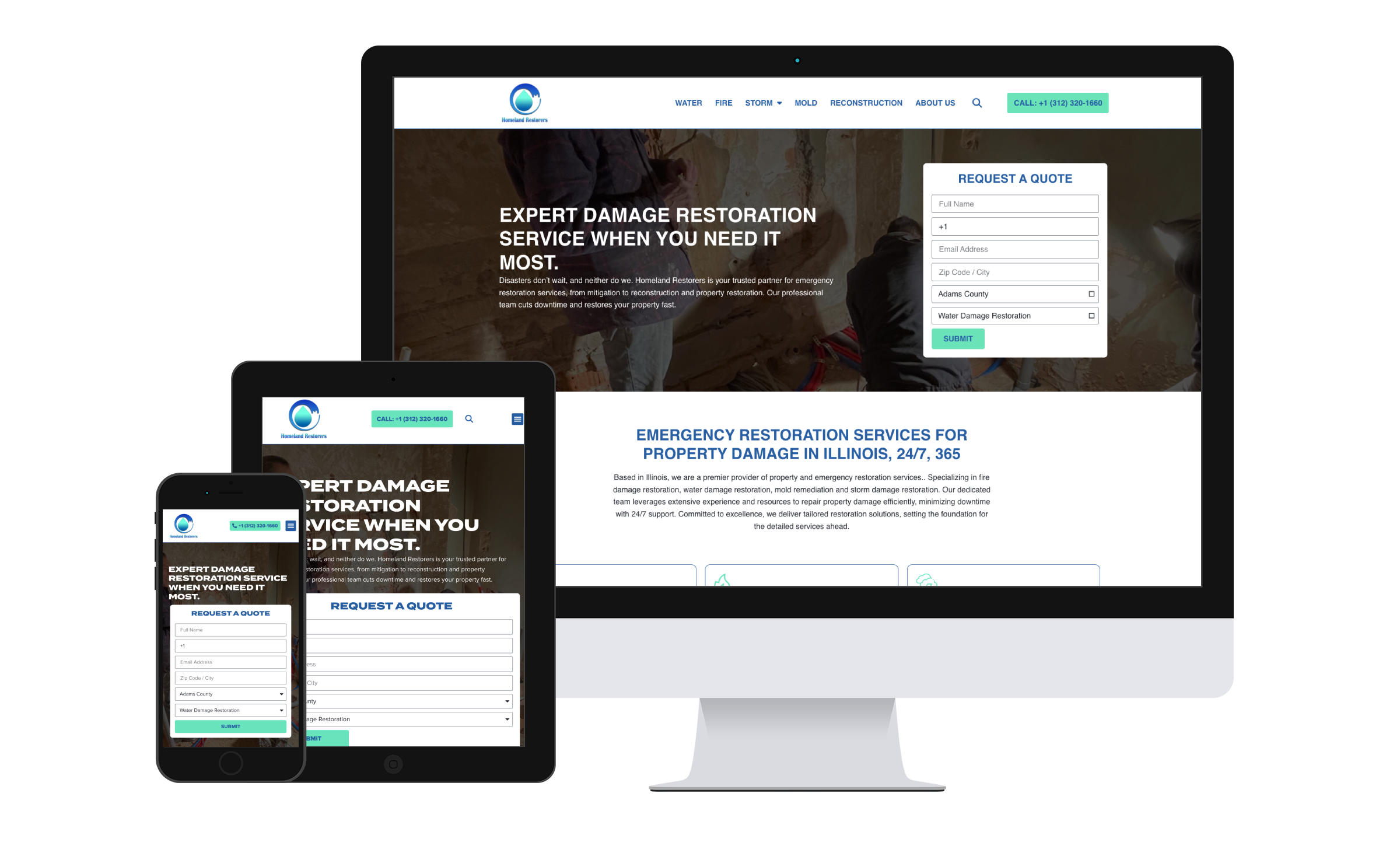
Homeland Restorers: Architecting a Rapid-Response Platform for Emergency Services
Premier Solutions built a high-performance, mobile-first WordPress site for Homeland Restorers, turning emergency restoration searches into service calls with fast performance and click-to-call UX.
View PortfolioExplore our services
View All ServicesNext.js & React Apps
High-performance server-rendered apps built for speed, edge delivery, and modern client interactions.
Learn MoreWordPress Development
Custom WordPress themes, plugins, and editing workflows built around the project requirements.
Learn MoreTechnical SEO
Crawlability, structured data, internal links, and content rendering reviews.
Learn More