
Professional WordPress Speed Optimization
Code-level WordPress speed optimization that fixes Core Web Vitals at the source — not plugin band-aids. We've rescued sub-20 desktop scores and brought them to green.
Performance figures, response times, and support examples on this page depend on the project. Final targets, coverage, and acceptance criteria are agreed in writing before work begins.
A one-second delay in page load time costs you roughly 7% of conversions. If your WordPress site takes more than three seconds to load, over half your visitors leave before reading a single word. Slow sites don't just frustrate users — they tank your Google rankings, inflate your bounce rate, and silently bleed revenue every day. We fix that at the code level, not with plugin band-aids.
What We Optimize
- Core Web Vitals — we target the exact metrics Google uses to evaluate user experience: Largest Contentful Paint (LCP) for loading, Interaction to Next Paint (INP) for responsiveness, and Cumulative Layout Shift (CLS) for visual stability. For the technical details, see our developer's guide to WordPress Core Web Vitals.
- Image and asset delivery — WebP conversion, responsive srcset, lazy loading, and CDN configuration so media loads fast from the closest edge server.
- Code cleanup — HTML, CSS, and JavaScript minification; unused script removal; render-blocking resource deferral; and third-party script management so tracking pixels and chat widgets don't block your main content.
- Server and caching — server-side caching, TTFB reduction, object caching, and hosting-level optimizations to eliminate backend bottlenecks.
- Database optimization — clearing spam comments, post revisions, expired transients, and orphaned metadata that slow down every database query.
Proof: Rescuing a Sub-20 Desktop Score
A client came to us with a WordPress site scoring below 20 on Google PageSpeed Insights for desktop — deep in the red zone. We diagnosed the root causes (unoptimized images, render-blocking scripts, no caching, bloated database), implemented code-level fixes across every layer, and brought the site into green Core Web Vitals territory. Read the full speed optimization case study.
For ongoing performance, our WordPress maintenance plans include monthly Core Web Vitals reviews, database optimization, and cache management.
Benchmarks We Commit To
- Measured loading performance — target ≤ 0.8s desktop, ≤ 1.2s mobile, measured at the 75th percentile on field data, not just lab scores.
- 95+ Lighthouse Performance on desktop, 90+ on mobile.
- All three Core Web Vitals in green on real-user CrUX field data within 28 days of deployment.
- TTFB under 200ms cached, under 600ms uncached.
What the service covers
Core Web Vitals Optimization
Targeted fixes for Largest Contentful Paint (LCP), Interaction to Next Paint (INP), and Cumulative Layout Shift (CLS) — the three metrics Google uses directly in its ranking algorithm.
Server Response Time (TTFB) Reduction
Database query optimization, object caching (Redis/Memcached), PHP OPcache tuning, and server-level Gzip/Brotli compression to get your TTFB under 200 ms.
Render-Blocking Resource Elimination
Critical CSS inlining, JavaScript defer/async loading, font-display swap, and above-the-fold content prioritization so the browser paints your page as fast as physically possible.
Image & Media Optimization
Automated WebP/AVIF conversion, responsive srcset generation, lazy loading for below-the-fold images, and CDN delivery — reducing image payload by 60–80% without visible quality loss.
What the work aims to improve
Mobile Performance Improvement
Performance TargetWe set realistic performance targets after auditing hosting, theme code, page content, and third-party scripts, then report the changes and measured results.
Faster, Easier User Experience
Engagement OpportunityFaster delivery reduces friction for visitors and can support engagement and conversion goals. The business impact depends on traffic quality, page intent, and the wider user experience.
Stronger Technical Foundation
Core Web Vitals ReadyPassing Core Web Vitals supports page experience, but it is not a standalone ranking guarantee. We treat performance as one part of a broader technical SEO foundation.
How the work is delivered
Performance Audit & Waterfall Analysis
Detailed Lighthouse audit, Chrome DevTools waterfall analysis, and server-side profiling to identify every bottleneck — from slow database queries to render-blocking third-party scripts.
Server & Database Optimization
PHP version upgrade, OPcache configuration, Redis/Memcached object caching, autoloaded options cleanup, and wp_options table optimization.
Frontend Asset Optimization
Critical CSS extraction, JavaScript defer/async, unused CSS removal, WebP image conversion, font subsetting, and above-the-fold content prioritization.
CDN Configuration & Verification
Edge caching rules, browser cache headers, Brotli compression, and a before/after Lighthouse report proving the performance improvements.
Before we start
- Share the starting point
- Send your website URL, platform, the problem to solve, and any deadline or budget constraints. An existing site may need an assessment before a solution can be recommended.
- Agree what is included
- Confirm deliverables, exclusions, dependencies, and pricing before work begins. Hosting, paid tools, content entry, and ongoing support should be discussed separately when needed.
- Define acceptance checks
- Agree which pages, devices, integrations, and measurements will be checked. Compare results with a documented baseline where performance or search work is involved.
- Plan access and handover
- Discuss account ownership, the access needed for delivery, documentation, and any training or maintenance arrangements. Confirm ongoing support in the written scope.
Please do not send passwords, API keys, or customer records through the inquiry form or chat.
Frequently Asked Questions
Will speed optimization change how my site looks?
No. Our optimization targets the delivery mechanism — how CSS, JavaScript, images, and fonts are loaded — not the visual design. Your site looks identical, it just loads significantly faster.
What Google PageSpeed score can I expect?
Targets are set after audit. Scores depend on hosting, theme code, third-party scripts, page content, and test conditions. We report before-and-after lab results and field data where available rather than guarantee a universal score.
Do you offer ongoing speed monitoring?
Yes. Our maintenance plans include weekly Lighthouse audits and proactive alerts if any Core Web Vital metric regresses — catching performance issues before they affect your rankings.
How is a 'sub-second LCP' actually measured?
We use Lighthouse lab tests and Chrome UX Report field data where sufficient traffic exists. LCP is evaluated at the 75th percentile, and the target is agreed after auditing the site, device mix, hosting, and third-party scripts.
Why did my caching plugin not fix my Core Web Vitals?
Caching plugins are a layer over the problem, not a fix for it. They can't remove 400KB of unused CSS a bloated theme loads on every page, resize an oversized hero image, or clean a database with tens of thousands of autoloaded option rows on every request. We optimize at the theme, database, asset, and server level — caching is one part of a broader fix, not the whole fix.
Explore published projects
View All Projects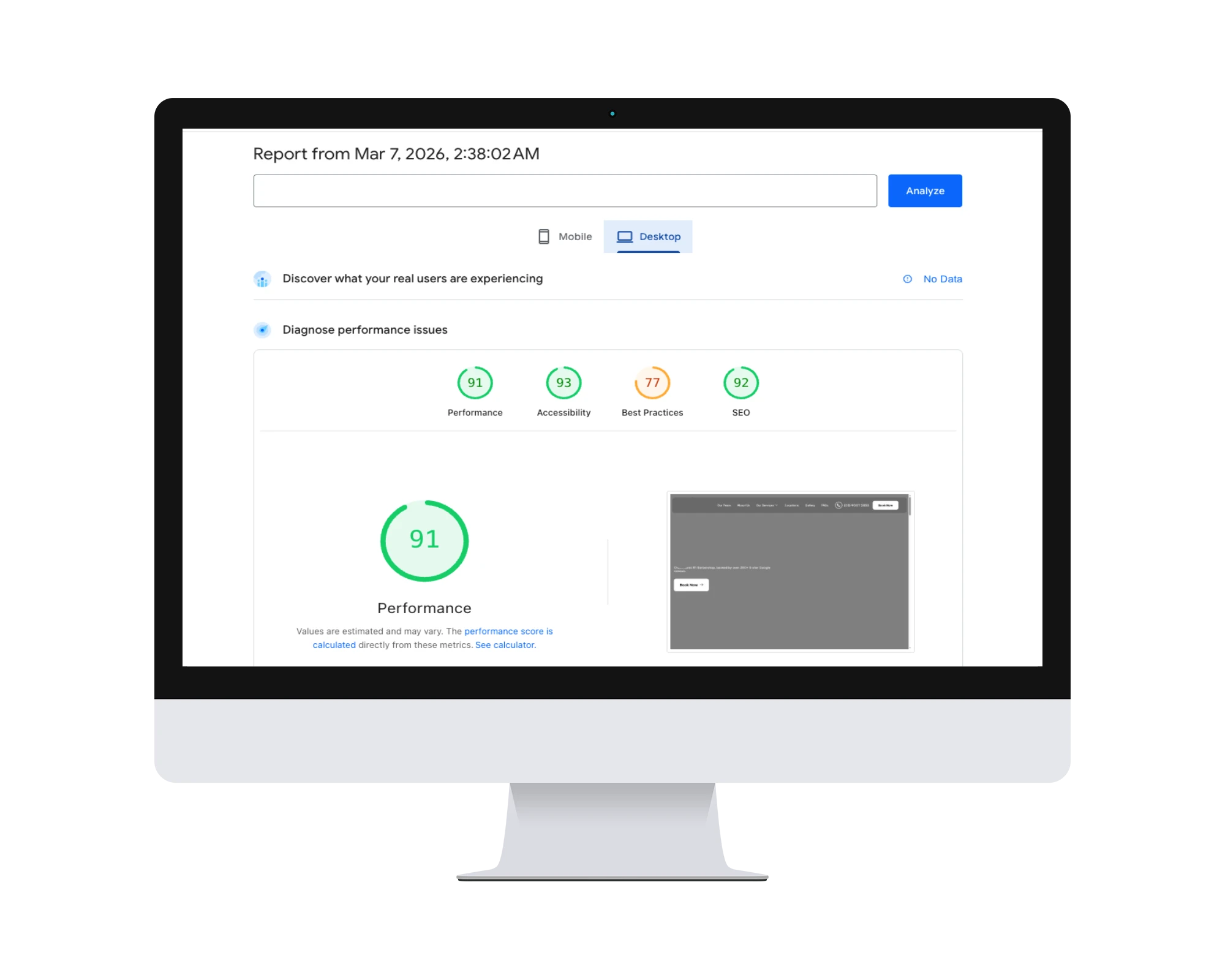
WordPress Speed Optimization: Rescuing a Sub-20 Desktop Score
Premier Solutions rescued a WordPress site failing desktop speed tests (under 20/100) using next-gen WebP images, multi-tiered caching, and JS minification to deliver top-tier Core Web Vitals.
View Case Study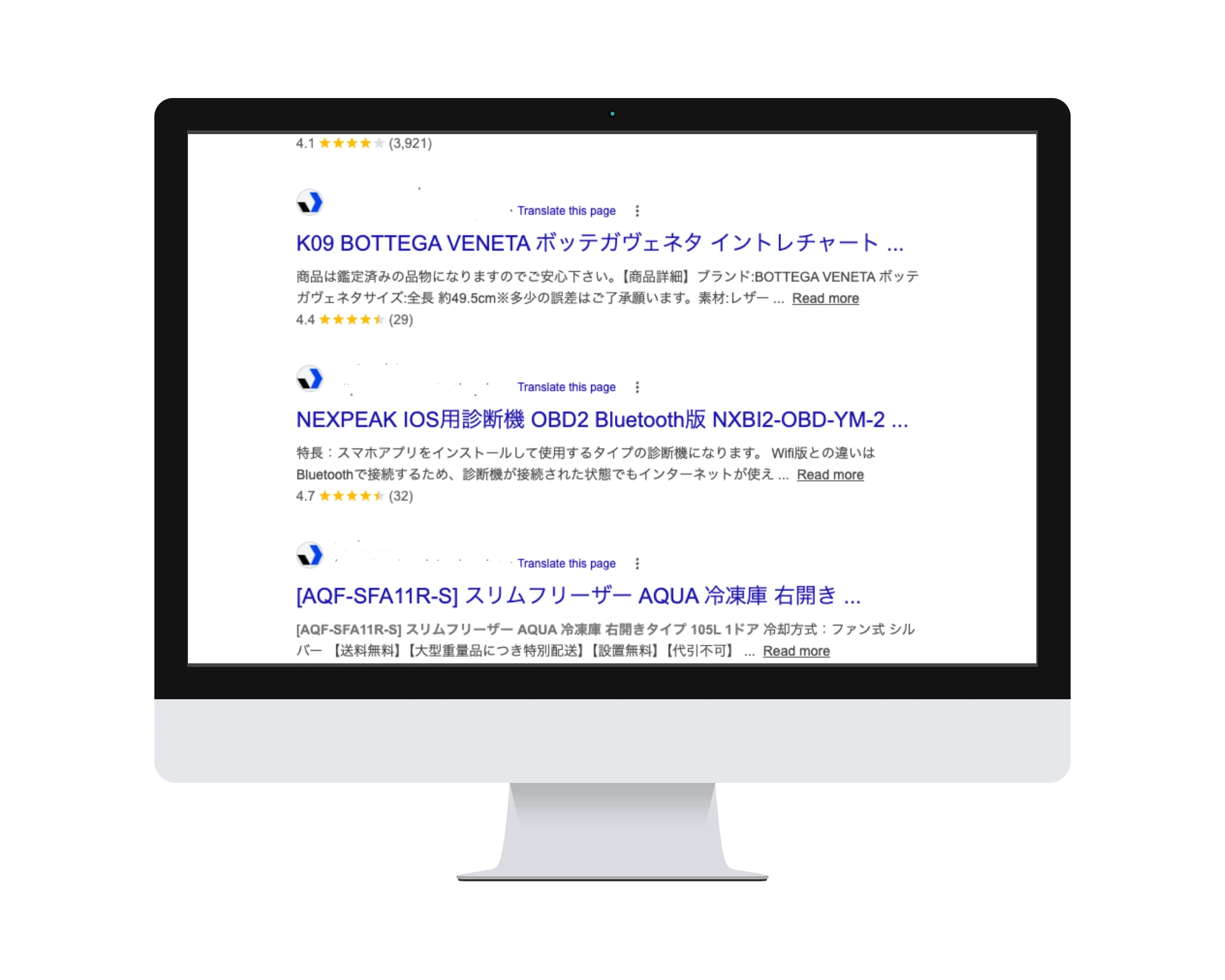
WordPress Security Recovery: Complete Malware Removal & Hardening
A WordPress malware-recovery case study covering spam removal, rogue administrators, clean-file restoration and post-cleanup hardening.
View Case Study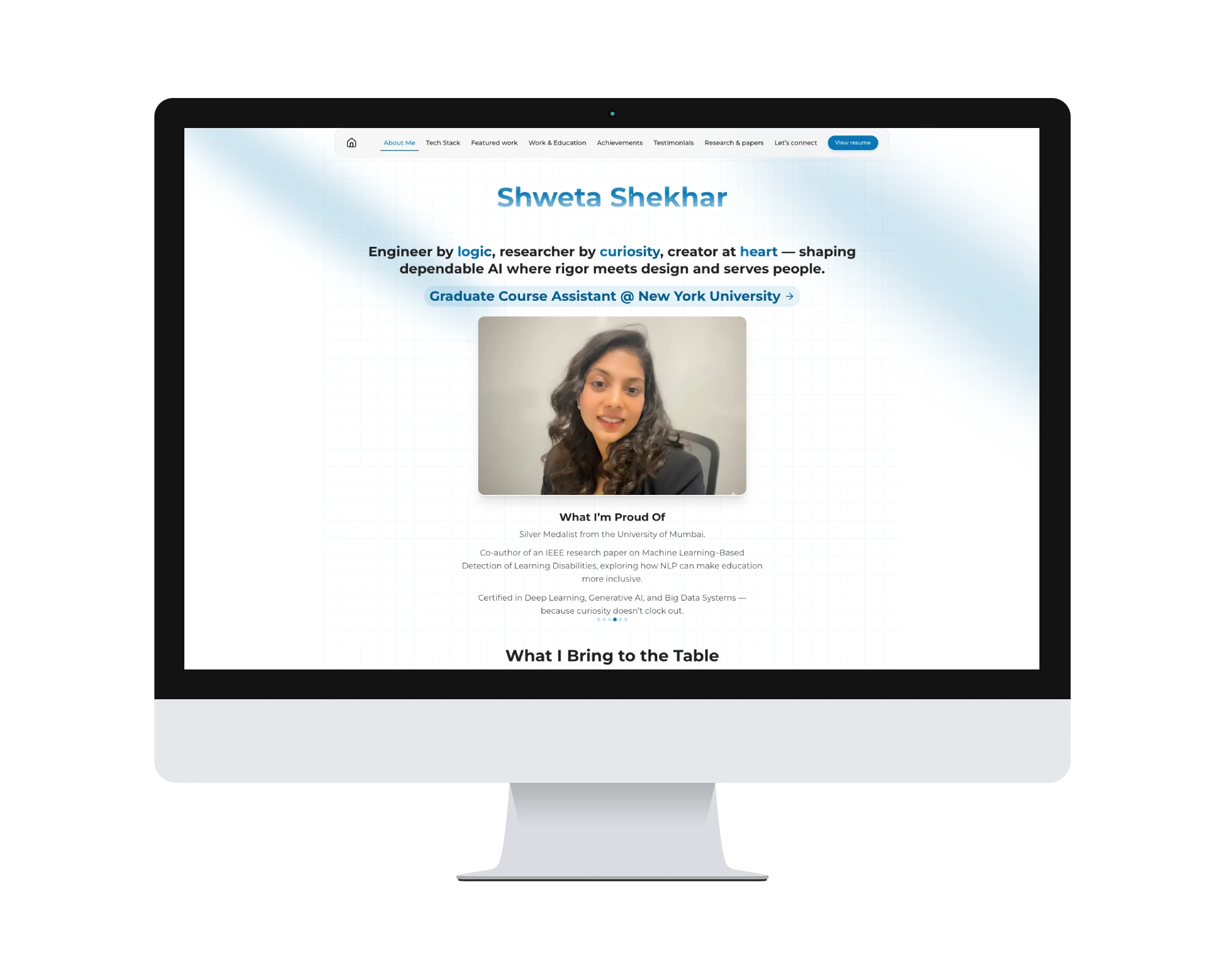
High-Performance Single-Page Portfolio: Next.js & React.js Development
Premier Solutions engineered a fast, single-page personal portfolio with Next.js and React.js — a responsive, highly optimized digital presence with an app-like experience.
View Case StudyExplore our services

AI Search Optimization (AEO & GEO)
Improve how search and AI answer engines understand your website through crawlability, clear content, relevant structured data, and consistent business information.
Learn More
AI Integration & Chatbot Development
Connect Claude, ChatGPT, or Gemini to your website. We build custom AI chatbots, RAG knowledge systems, MCP integrations, and AI-powered workflows for WordPress and Next.js platforms.
Learn More
WordPress Maintenance & Care Plans
Monthly WordPress maintenance with tested updates, security monitoring, daily backups, uptime checks and priority support.
Learn More