
Custom WordPress Theme & Plugin Development
Custom WordPress theme development from Figma/XD/PSD and bespoke plugin engineering — lightweight, fast, secure, and built to WordPress coding standards.
Performance figures, response times, and support examples on this page depend on the project. Final targets, coverage, and acceptance criteria are agreed in writing before work begins.
Off-the-shelf WordPress themes come with code your site never uses — dozens of heavy scripts, unused stylesheets, and rigid layouts that slow your site down and force your brand into someone else's design. Custom theme and plugin development strips all of that away and builds exactly what your business needs: a lightweight, fast, secure WordPress site coded to your specifications.
Custom Theme Development
We take your design files — Figma, Adobe XD, or PSD — and convert them into a production-ready WordPress theme that matches your mockup pixel-for-pixel. Every theme we build is fully responsive, mobile-first, and loads only the CSS and JavaScript it actually needs. No page builders, no bloated frameworks — just clean, semantic code that Google's crawlers and AI engines can read easily.
We also build custom Gutenberg blocks using React.js, so your team can create and modify complex page layouts through the block editor without needing a developer for every content update.
For projects that need maximum speed, we build headless WordPress themes with a Next.js frontend — decoupling the presentation layer for near-instant page loads while keeping WordPress as the familiar content management backend.
Custom Plugin Development
When the functionality you need doesn't exist — or the available plugins are bloated, insecure, or poorly maintained — we build it. Custom plugins mean fewer dependencies, a smaller attack surface (see our WordPress security services for why that matters), and code that does exactly what your business logic requires without the overhead. Examples include custom booking systems, membership portals, payment gateway integrations, WooCommerce checkout flows, and API connectors to your CRM or ERP.
All custom development follows WordPress coding standards strictly, ensuring compatibility with future core updates.
Projects We've Delivered
We developed a custom WordPress theme for DieRabatte.de — a German coupon platform requiring fast load times and SEO-optimized architecture for thousands of deal pages. We also built a Figma-to-WordPress conversion for One Speed Services, translating a custom Figma design into a responsive Elementor-based WordPress site with pixel-perfect fidelity.
Code Standards We Build To
Every custom build is written against WordPress Coding Standards (WPCS), enforced automatically via PHPCS in our deployment pipeline. Output is escaped, input is sanitized, and database queries are prepared as a matter of course, not a pre-launch retrofit. We never modify WordPress core files: every customization runs through the public hook and filter API, which is exactly what protects your site when core updates. You receive the codebase in Git with inline documentation — no licence keys, no encoded files, no dependency on us to make a future change.
ACF Pro vs. Native Gutenberg Blocks
We build with both, and choose based on who is authoring content. ACF Pro suits dense structured data — repeater fields, flexible layouts, conditional logic — with field groups version-controlled as JSON so they move cleanly between staging and production. Native Gutenberg blocks built in React give editors true visual parity between the editor and the live page, with zero plugin dependency. On most projects we ship both: native blocks for layout and visual sections, ACF for structured data-heavy content.
What the service covers
Bespoke Gutenberg Block Development
Native WordPress blocks built with React and PHP — no third-party page builder dependencies. Each block is registered with custom attributes, InspectorControls, and responsive preview rendering.
Custom Plugin Architecture
Object-oriented PHP plugins with proper namespace isolation, hook-based architecture, and WordPress Coding Standards compliance. Each plugin is unit-tested and designed for seamless updates.
REST API & Headless Endpoints
Custom REST API routes for decoupled frontend consumption, mobile app data feeds, and third-party integrations — all authenticated via JWT or application passwords.
WP-CLI Command Automation
Custom WP-CLI commands for bulk content operations, database migrations, and deployment automation — reducing manual maintenance tasks from hours to seconds.
ACF Pro Field Architecture
Structured field groups with repeaters, flexible layouts, and conditional logic, version-controlled as JSON so field definitions move cleanly between staging and production.
What the work aims to improve
Zero Plugin Bloat
Lean CodebaseCustom-built solutions replace multiple off-the-shelf plugins — eliminating conflicts, reducing HTTP requests, and shrinking your site's attack surface significantly.
Fully Customizable Editor Experience
Tailored CMS UXYour content team gets an intuitive block-based editing interface tailored to your exact content model — not a generic page builder with hundreds of unused options.
Long-Term Code Ownership
100% Code OwnershipYou own every line of code. No vendor lock-in, no SaaS subscription fees, and no dependency on a third-party plugin author's update schedule.
How the work is delivered
Requirements & Technical Specification
Detailed technical specification document covering every custom block, plugin hook, database schema, and API endpoint — agreed upon before development begins.
Iterative Development Sprints
Two-week development cycles with staging deployments and client review sessions. Each sprint delivers working, testable functionality.
Code Review & Performance Testing
Static analysis with PHPStan, automated testing with PHPUnit, and manual performance profiling with Query Monitor to ensure production-ready code quality.
Production Deployment & Documentation
Git-based deployment to production, comprehensive inline code documentation, and admin user guides for every custom feature delivered.
Before we start
- Share the starting point
- Send your website URL, platform, the problem to solve, and any deadline or budget constraints. An existing site may need an assessment before a solution can be recommended.
- Agree what is included
- Confirm deliverables, exclusions, dependencies, and pricing before work begins. Hosting, paid tools, content entry, and ongoing support should be discussed separately when needed.
- Define acceptance checks
- Agree which pages, devices, integrations, and measurements will be checked. Compare results with a documented baseline where performance or search work is involved.
- Plan access and handover
- Discuss account ownership, the access needed for delivery, documentation, and any training or maintenance arrangements. Confirm ongoing support in the written scope.
Please do not send passwords, API keys, or customer records through the inquiry form or chat.
Frequently Asked Questions
Why build a custom plugin instead of using an existing one?
Off-the-shelf plugins include features you don't need — adding database overhead, security vulnerabilities, and update maintenance. A custom plugin does exactly what you need, nothing more, and stays under your control.
Can you extend or fix an existing third-party plugin?
Yes. We regularly fork, extend, and patch third-party plugins when they don't fully meet a client's needs. If the plugin's architecture is sound, extending it is often faster and more cost-effective than building from scratch.
How much does custom WordPress theme and plugin development cost?
Cost depends on the number of unique templates, custom blocks and third-party integrations, and on how complete your design files are. Plugins vary with the number of outside systems they connect to. We confirm scope, deliverables and price in writing after discovery, before any build work begins.
Is a custom WordPress theme better than a premium theme like Divi or Avada?
For performance and long-term maintainability, yes. Multipurpose themes load stylesheets and scripts for demo layouts you will never use, which directly damages Largest Contentful Paint and Total Blocking Time. A custom theme ships only the code your site actually runs. Premium themes make sense when budget is genuinely constrained and the site is simple; they stop making sense once you need custom functionality or hit a Core Web Vitals ceiling.
What is headless WordPress, and do I actually need it?
Headless WordPress keeps WordPress as your content back end while a separate front end, typically Next.js, renders the site via the REST API or WPGraphQL. The upside is front-end performance and framework flexibility; the downsides are two codebases, more hosting complexity, and editorial features like live preview that need deliberate rebuilding. It earns its keep with app-like front ends or an existing React team. For a standard content site, a well-built traditional theme is faster to ship and easier to maintain.
Will a custom plugin break when WordPress updates?
Not if it is built correctly. Breakage comes from modifying core files, calling private functions, or depending on another plugin's internals. We build exclusively against WordPress's public hook and filter API and follow WordPress Coding Standards, which the backwards-compatibility guarantee protects. We test against WordPress Release Candidates ahead of major version releases.
How long does custom WordPress theme development take?
A focused marketing site with 5–8 templates typically takes 4–6 weeks from approved design to launch. A larger build with extensive custom block architecture or third-party integrations generally runs 8–14 weeks. The single biggest schedule risk is incomplete design files or unavailable API credentials, so we front-load both during discovery.
Do I own the code you write, and can another developer maintain it?
Completely. All code is delivered in your Git repository under the GPL, with no licence keys and no ongoing dependency on us. Because we build to WordPress Coding Standards with documented hooks and filters, any competent WordPress developer can pick the codebase up. We provide inline documentation, a README covering exposed hooks and filters, and a recorded handover walkthrough.
Explore published projects
View All Projects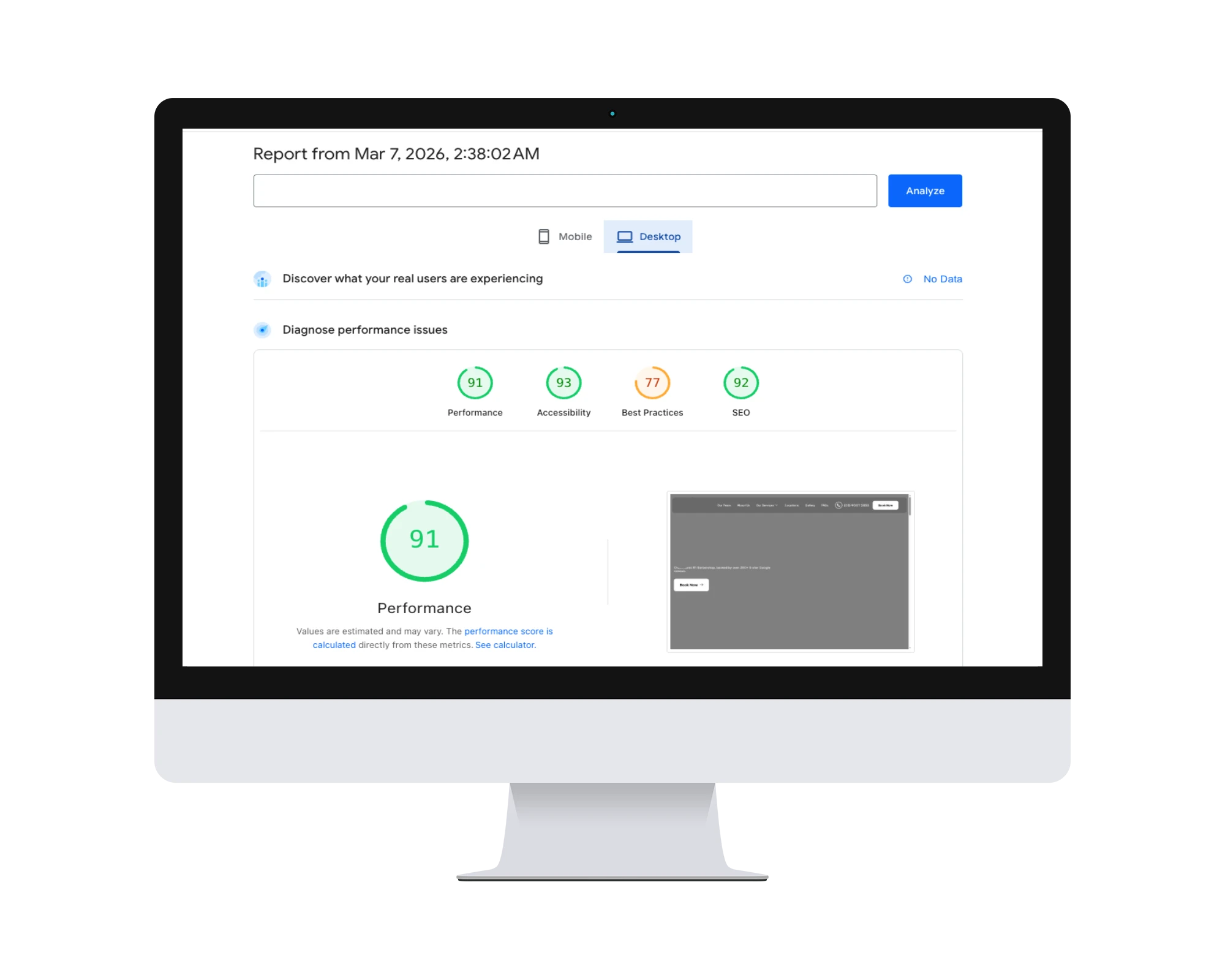
WordPress Speed Optimization: Rescuing a Sub-20 Desktop Score
Premier Solutions rescued a WordPress site failing desktop speed tests (under 20/100) using next-gen WebP images, multi-tiered caching, and JS minification to deliver top-tier Core Web Vitals.
View Case Study
WordPress Security Recovery: Complete Malware Removal & Hardening
A WordPress malware-recovery case study covering spam removal, rogue administrators, clean-file restoration and post-cleanup hardening.
View Case Study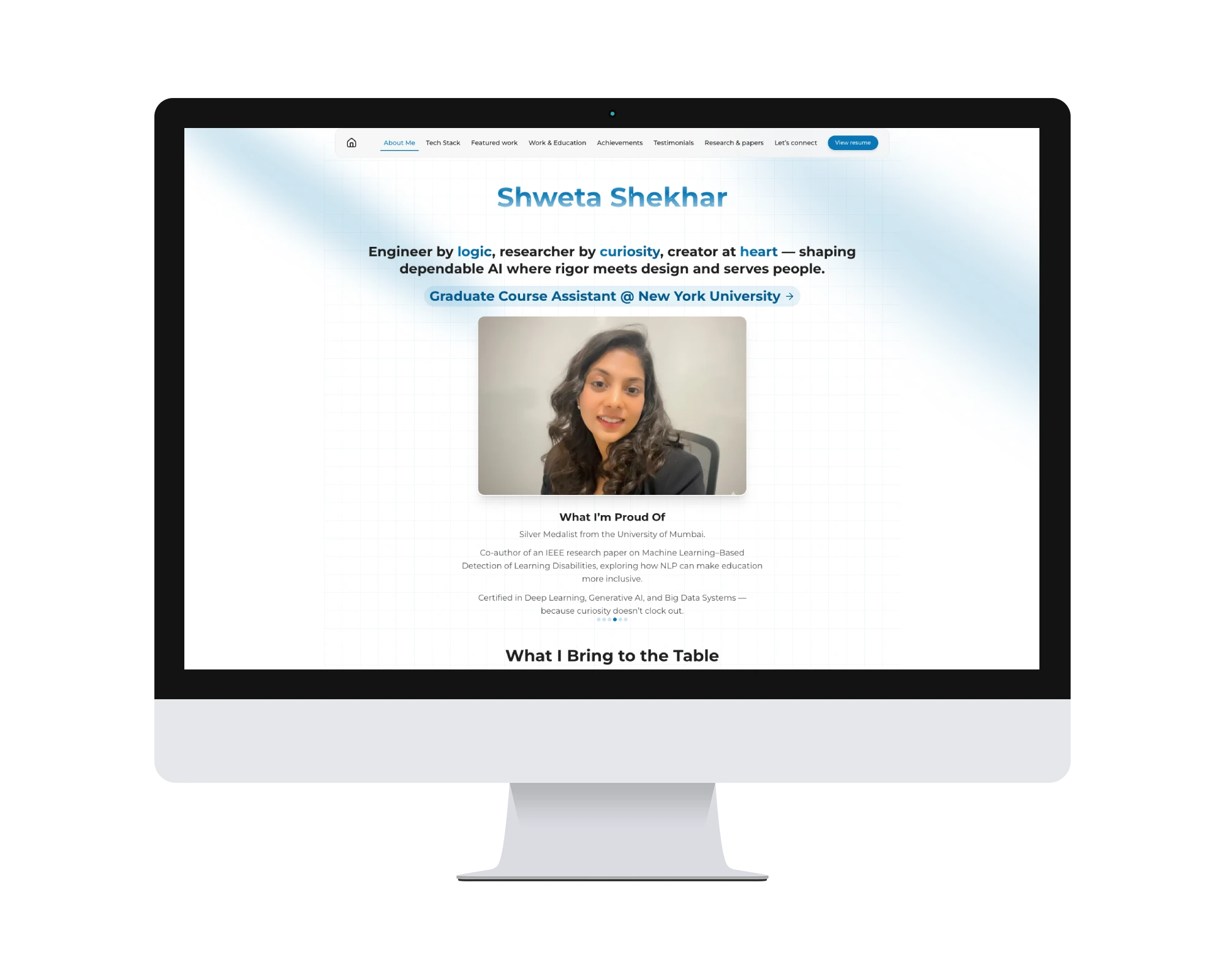
High-Performance Single-Page Portfolio: Next.js & React.js Development
Premier Solutions engineered a fast, single-page personal portfolio with Next.js and React.js — a responsive, highly optimized digital presence with an app-like experience.
View Case StudyExplore our services

AI Search Optimization (AEO & GEO)
Improve how search and AI answer engines understand your website through crawlability, clear content, relevant structured data, and consistent business information.
Learn More
AI Integration & Chatbot Development
Connect Claude, ChatGPT, or Gemini to your website. We build custom AI chatbots, RAG knowledge systems, MCP integrations, and AI-powered workflows for WordPress and Next.js platforms.
Learn More
WordPress Maintenance & Care Plans
Monthly WordPress maintenance with tested updates, security monitoring, daily backups, uptime checks and priority support.
Learn More