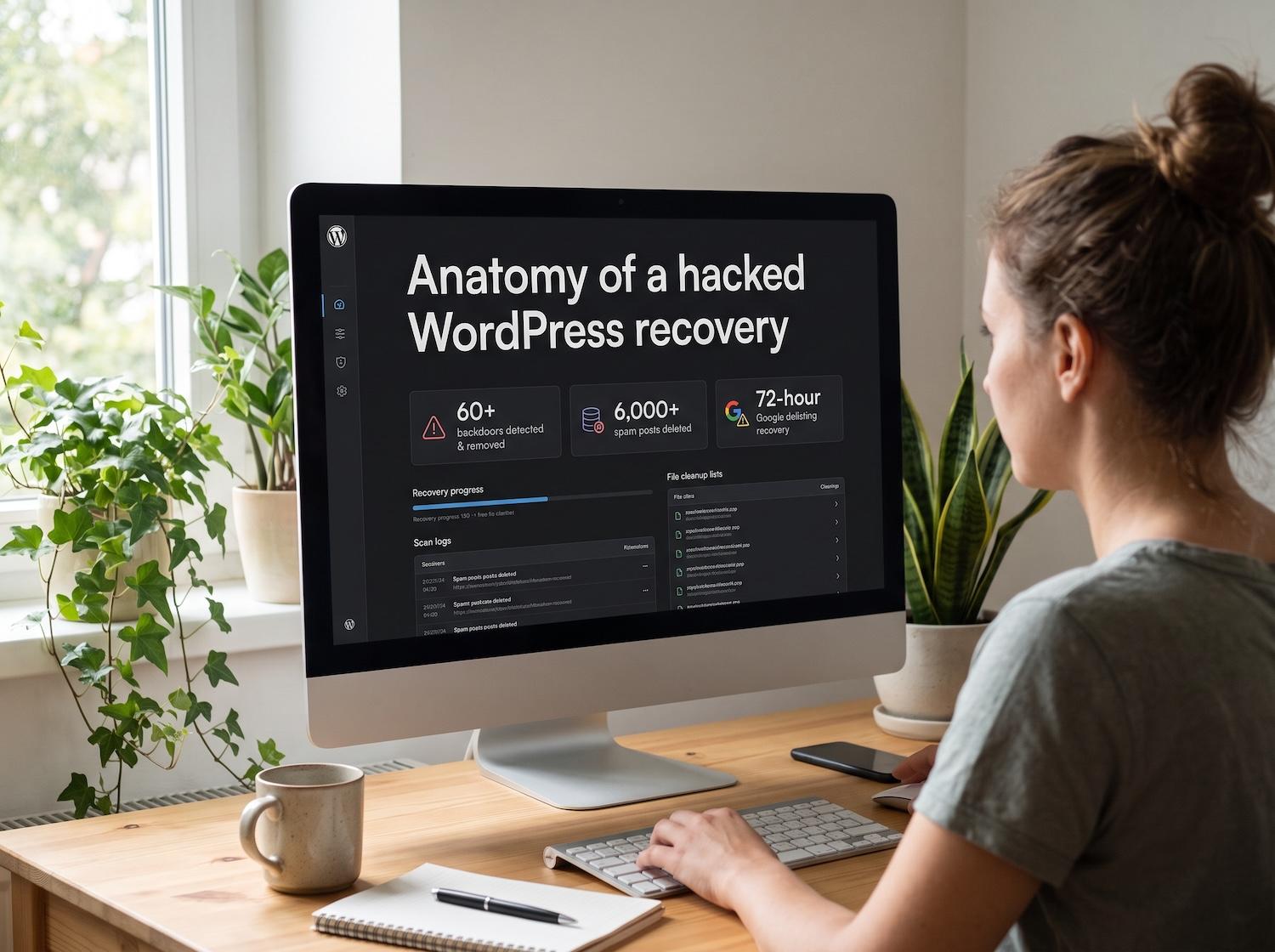
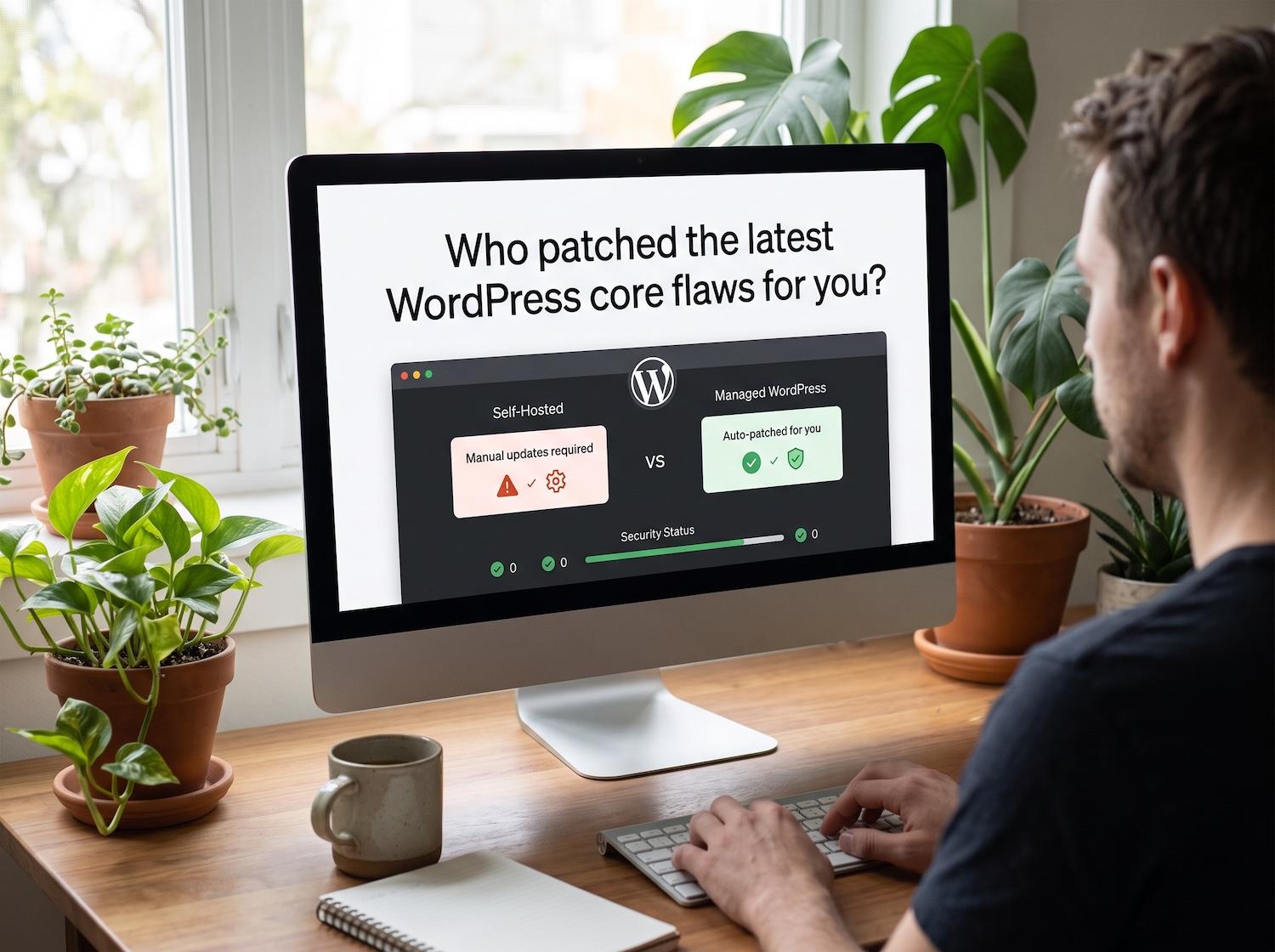
For business owners and digital marketers, there are few things more terrifying than typing your URL into a browser and realizing something is fundamentally wrong with your digital storefront. In 2026, cyberattacks have become highly automated, fast, and remarkably stealthy. Hackers no longer want to immediately destroy your site; instead, they want to silently siphon your traffic, steal your customer data, or use your server to launch attacks on other networks. Recognizing the early signs of a hacked WordPress site is the difference between a minor technical inconvenience and a catastrophic loss of business revenue.
If you read our first post in this series, The Top 5 WordPress Vulnerabilities in 2026, you know that outdated plugins, weak passwords, and unprotected APIs leave the door wide open for cybercriminals. But what happens after they get inside? How do you know if the breach has already occurred?
Many website owners operate for months without realizing their digital property has been hijacked. In this comprehensive, technical guide, we will walk you through the most definitive signs of a hacked WordPress site. We will cover everything from subtle SEO anomalies to blatant visual defacements, and explain exactly how our expert teams can intervene to save your digital business.
1. Sudden, Unexplained Drops in Website Traffic
One of the most reliable, yet easily overlooked, signs of a hacked WordPress site is a sudden, cliff-dive drop in your organic website traffic. If you check Google Analytics and see your daily visitors have plummeted by 50% or more overnight without any seasonal explanation, alarm bells should be ringing.
The Hacker's Tactic:
Hackers frequently inject malicious code that redirects your organic traffic to their own spam websites (often related to pharmaceuticals, counterfeit goods, or adult content). Because these redirects are often engineered to only trigger when a user clicks a link from a search engine, you—the site owner who types the URL directly into the browser—might never see the redirect happen.
This silent hijacking drains your hard-earned traffic. If you are noticing these drastic drops, your technical foundation needs immediate attention. Once the malware is cleared, you will need aggressive, modern seo strategies to rebuild your search engine authority and regain your lost audience.
2. The Dreaded Google "Deceptive Site Ahead" Warning
When discussing the signs of a hacked WordPress site, this is the most fatal. If a visitor tries to access your website and is greeted by a massive, bright red screen from Google Chrome stating "Deceptive Site Ahead" or "This site may be hacked," your site has been compromised and officially blacklisted by search engines.

The Hacker's Tactic:
Google’s Safe Browsing bots constantly crawl the internet. If they detect malicious JavaScript, phishing attempts, or hidden trojans on your WordPress site, they will immediately block users from entering it to protect the public. Once you are blacklisted, not only does your traffic drop to zero, but your brand’s reputation suffers massive damage. Removing this warning requires a deep malware cleanup and a formal review request submitted through Google Search Console.
3. You Are Suddenly Locked Out of Your WordPress Admin Dashboard
If your username and password suddenly stop working, and the "Lost your password?" reset email never arrives in your inbox, you are witnessing one of the most glaring signs of a hacked WordPress site.
The Hacker's Tactic:
When automated brute-force bots successfully guess your password (a vulnerability we highlighted in our previous post), their very first action is to establish permanence. They will delete your administrator account or change the associated email address, effectively locking you out of your own business. They do this to ensure you cannot log in to delete their malicious files. Recovering from this requires accessing your site's database directly via phpMyAdmin or hiring professionals to force-reset the database privileges.
4. The Appearance of Rogue "Administrator" Accounts
Perhaps you can still log into your dashboard, but things look slightly... off. You navigate to the "Users" tab and notice email addresses or usernames you do not recognize, particularly accounts that hold the "Administrator" role.
The Hacker's Tactic:
This is one of the most common signs of a hacked WordPress site that utilizes a "backdoor." Rather than deleting your account (which immediately alerts you to a problem), hackers silently create hidden rogue admin accounts. These accounts give them a permanent key to your site. Even if you update your own password, they can still log in whenever they want. If you spot unauthorized users, you must delete them immediately, change your database passwords, and review your firewall logs.
5. Suspicious Pop-Ups, Pop-Unders, and Unwanted Ads
You are browsing your company's blog, and suddenly a pop-up appears advertising a sketchy tech support service or an offshore casino. You didn't install any advertising plugins, so where did it come from?
The Hacker's Tactic:
Injecting unauthorized advertisements is a highly lucrative business for cybercriminals. By exploiting Cross-Site Scripting (XSS) vulnerabilities, hackers inject malicious JavaScript into your headers, footers, or core theme files. These scripts force spammy pop-ups onto your visitors' screens. This not only destroys the user experience but serves as one of the most visually obvious signs of a hacked WordPress site.
If your current theme is highly susceptible to these code injections, it may be time for a fresh start. Our development team can redesign wordpress website properties securely from the ground up, utilizing modern, secure frameworks like building a wordpress website using elementor or crafting a visually stunning layout with divi to ensure your code is modern and secure.
6. Your Website is Excruciatingly Slow or Crashing
Website speed fluctuations happen, but if your site goes from loading in 1.5 seconds to 15 seconds, or frequently throws "500 Internal Server Error" or "503 Service Unavailable" messages, you must investigate. Drastic performance degradation is one of the premier technical signs of a hacked WordPress site.
The Hacker's Tactic:
Hackers often use compromised websites to host massive files, mine cryptocurrency, or launch Distributed Denial of Service (DDoS) attacks against other websites. These malicious background processes consume all of your server's CPU and RAM. Your server becomes so overloaded doing the hacker's bidding that it cannot process legitimate requests from your real customers, causing the site to slow to a crawl or crash entirely.
If your site is dragging, you need immediate intervention. Our wordpress website speed optimization service doesn't just clear caching; we perform deep server audits to identify resource-hogging scripts and eliminate them, restoring your site's lightning-fast performance.
Put these ideas to work.
From a specific fix to a complete website, we can help you define the scope and get it done.
Discuss my websiteEmergency Hacked WordPress Site RecoveryShare your goals. We typically reply within 4 hours with questions and practical next steps.
7. Weird Content and Spam Links in Your Footer or Blog
You are reading a recent blog post on your site, and hidden at the very bottom are hyperlinks to websites selling knock-off designer bags or prescription drugs.
The Hacker's Tactic:
This is known as an SEO Spam Hack. Hackers inject thousands of hidden links into your website's content, footers, or hidden <div> tags. They use your website's domain authority to boost the Google rankings of their own illegal websites. Finding these unauthorized links is one of the classic signs of a hacked WordPress site. It is incredibly damaging because Google will penalize your site for linking to malicious neighborhoods.
8. Your Business Emails are Bouncing or Going to Spam
If your legitimate business emails suddenly stop reaching your clients, or your inbox is flooded with "Delivery Failed" bounce-back messages for emails you never sent, your web server has likely been compromised.
The Hacker's Tactic:
Hackers love to hijack web servers to send out millions of spam emails. If your WordPress site and your email use the same hosting environment, the hacker will use your domain to blast out phishing campaigns. Email providers (like Gmail and Outlook) will quickly blacklist your server's IP address. This is one of the most frustrating signs of a hacked WordPress site because it paralyzes your day-to-day business communications.
9. Hijacked Search Engine Results (The Japanese Keyword Hack)
Sometimes the signs of a hacked WordPress site aren't visible on the website itself, but rather on Google. If you type site:yourdomain.com into Google Search, do you see your normal pages? Or do you see hundreds of strange URLs with Japanese, Chinese, or Russian characters in the title?
The Hacker's Tactic:
This is known as the "Japanese Keyword Hack." Hackers exploit a vulnerability to automatically generate thousands of spam pages on your server. They manipulate your sitemap so Google indexes these fake pages under your domain name. This completely hijacks your SEO presence and uses your brand to sell counterfeit goods globally.
10. Unknown Files or Modified Core WordPress Scripts
For technical users, the ultimate confirmation lies in the server files. If you log in via FTP or your hosting file manager and find strangely named PHP files (e.g., wp-zcfg.php) in your root directory, or if your core wp-config.php or .htaccess files have been recently modified without your knowledge, you have been breached.
The Hacker's Tactic:
Hackers leave these scripts behind as "backdoors." Even if you delete their spam posts and change your passwords, they can ping these hidden files to instantly regain access to your site tomorrow.
What to Do If You Spot the Signs of a Hacked WordPress Site
If you recognize any of the signs of a hacked WordPress site listed above, you must act immediately to prevent further damage to your brand and your customers.

Step 1: Put the Site in Maintenance Mode: Stop visitors from interacting with malicious code and prevent search engines from crawling the spam.
Step 2: Change All Passwords: This includes your WordPress admins, your database passwords, and your hosting control panel.
Step 3: Implement a Hybrid Firewall: As we detailed in our previous blog, Wordfence vs. Cloudflare: Which is Better for the Best WordPress Firewall Setup in 2026?, you must deploy Cloudflare at the network edge to block the botnets, and Wordfence on the server to scan for the malicious backdoors.
The Ultimate Solution: Call the Experts
Malware removal is a highly complex, delicate process. If you miss a single hidden backdoor script in your database, the hacker will reinfect your site the very next day.
You should be focusing on your business, not fighting cybercriminals. If you suspect a breach, contact our rapid-response team immediately for professional WordPress security services. We will conduct a deep-level forensic sweep of your server, eradicate the malware, patch the vulnerabilities, and configure enterprise-grade firewalls to ensure it never happens again.
If your site is heavily damaged, or if your business requires unique, highly secure workflows that standard templates cannot provide, our development team is ready to architect a bulletproof, custom wordpress website tailored exactly to your operational and security requirements.
Do not let hackers steal your digital real estate. If you see the warning signs, reach out to us today.
Frequently Asked Questions (FAQs)
1. What are the most common visual signs of a hacked WordPress site?
The most common visual signs include unexpected pop-up advertisements, a completely defaced homepage with a hacker's logo, or strange spam links appearing in your site's footer. However, remember that many modern hacks are intentionally invisible to the website owner and only trigger for search engine visitors.
2. Can a hacked WordPress site be fixed?
Yes, absolutely. A hacked site can be recovered by identifying and deleting the malicious payload, removing hidden backdoor scripts, cleaning the database of spam injections, and restoring clean core files. This is best handled by professional WordPress security experts to ensure the infection does not return.
3. Why did Google put a "Deceptive Site Ahead" warning on my site?
Google places this red warning screen on your site when its Safe Browsing bots detect malware, phishing scripts, or deceptive software on your pages. It is one of the most severe signs of a hacked WordPress site. You must remove the malware and submit a security review to Google to have the warning lifted.
4. If I am locked out of my WP-Admin, how do I know if I was hacked or just forgot my password?
If you simply forgot your password, the "Lost your password?" link will successfully send a reset email to your inbox. If you request a password reset and never receive the email, or if the system says "Invalid username or email," a hacker has likely deleted or altered your administrator account.
5. How do hackers manage to redirect my website traffic?
Hackers gain access via outdated plugins or weak passwords and inject malicious JavaScript or PHP code into your site's header files or .htaccess file. This code detects when a user clicks a link from Google and forcefully redirects their browser to the hacker's spam website, silently stealing your traffic.
Summary
Recognizing the signs of a hacked WordPress site early is vital to minimizing damage to your brand, revenue, and search engine rankings. Modern cyberattacks are often stealthy, manifesting as sudden drops in organic traffic, Google "Deceptive Site Ahead" warnings, or business emails bouncing due to server blacklisting. Other critical indicators include sudden lockouts from your admin dashboard, the appearance of rogue administrator accounts, unauthorized pop-up ads, and drastic site slowdowns caused by malicious background processes. If you spot these symptoms, immediate action is required. By leveraging professional WordPress security services, you can safely eradicate the malware, close the vulnerabilities, and implement robust firewalls to protect your digital storefront permanently.
Reference Links