Building a high-performance, feature-rich digital platform is an investment. When you start adding up the cost of premium themes, advanced page builders, SEO tools, and e-commerce extensions, the annual software bill can easily reach hundreds of dollars. For bootstrapped startups and budget-conscious site owners, the temptation to search Google for a "free" version of a $200 premium plugin is incredibly high.
This search leads them into the dark, highly dangerous ecosystem of nulled WordPress plugins and themes.
If you are wondering why your site is suddenly redirecting to sketchy pharmaceutical ads, or why your server CPU is maxed out at 3:00 AM, the answer likely lies in that pirated plugin you installed last month. In the cybersecurity landscape of 2026, nothing is truly free. When you download a nulled theme, you are not outsmarting the system; you are handing the keys to your business directly to a cybercriminal.
If you read our earlier post, The Top 5 WordPress Vulnerabilities in 2026, you know that supply chain attacks are a primary threat. But nulled software isn't just a vulnerability—it is a guaranteed, pre-packaged malware payload. In this comprehensive technical guide, we will expose exactly how hackers weaponize nulled software, the devastating impact it has on your SEO and speed, and why professional WordPress security services are the only way to recover a hijacked digital storefront.
1. What Are Nulled WordPress Plugins and Themes?
To understand the threat, we must define the term. Nulled software refers to premium (paid) WordPress plugins or themes that have been modified, "cracked," and distributed for free or at a massive discount on third-party websites.
Many site owners justify using these sites because of the GNU General Public License (GPL). The GPL states that WordPress and derivative works (like plugins) must remain open-source. Nulled providers argue that they are simply legally redistributing GPL code. While the distribution might technically exist in a legal gray area, the code itself has been deeply compromised.
The Hacker's Business Model: Nobody spends hours purchasing, cracking, and hosting premium plugins for thousands of strangers out of the goodness of their heart. Operating a nulled software repository costs money. These providers monetize their "free" downloads by injecting malicious PHP and JavaScript payloads deep into the plugin's core files before they offer it for download. When you install their nulled theme, you install their malware.
2. The Anatomy of the Attack: What Hides Inside Nulled Code?
When you upload a .zip file of a nulled plugin to your WordPress dashboard, you are granting that code high-level execution privileges on your server. Here is exactly what the hidden malware does the second you click "Activate."
A. The Installation of a "Backdoor"
The most common payload in nulled software is a backdoor script (often hidden in seemingly innocent files like class-wp-cache.php or obfuscated within base64 strings). A backdoor allows the hacker to bypass your standard login screen entirely. Even if you use an uncrackable password and Two-Factor Authentication, the hacker can send an HTTP request to their hidden backdoor file and instantly gain root access to your database and server.
B. SEO Spam and the "Japanese Keyword Hack"
As we detailed in our guide, 10 Critical Signs of a Hacked WordPress Site, hackers frequently use compromised sites for SEO spam. The nulled plugin will silently generate thousands of hidden web pages on your server filled with spam links (often related to counterfeit goods, adult content, or pharmaceuticals). They hijack your domain's hard-earned SEO authority to boost their own illegal operations, ultimately resulting in Google blacklisting your site entirely.
C. Malicious Redirects
Some nulled plugins contain JavaScript that conditionally redirects your traffic. If you visit your site directly by typing the URL, it looks perfectly fine. But if a real customer clicks a link to your site from a Google search result, the hidden script intercepts them and redirects their browser to a phishing site or a malicious ad network.
D. Cryptocurrency Miners
In 2026, botnets frequently deploy silent crypto-mining scripts via nulled themes. These scripts hijack the CPU processing power of your web server (and sometimes the browsers of your visitors) to mine cryptocurrency for the hacker.
3. The Devastating Impact on Website Speed
If you are frustrated by a sluggish backend or failing (a topic we explored deeply in Beyond Caching: Why Your WordPress Site is Slow), your nulled theme might be the culprit.
Security and performance are inextricably linked. When a nulled plugin deploys a crypto-miner or sends thousands of automated spam emails from your server, it consumes 100% of your PHP workers and server RAM.
Your legitimate customers are forced to wait 10+ seconds for a page to load because the server is too busy executing the hacker's background tasks. A caching plugin cannot fix this. Resolving this requires a two-pronged approach: first, eradicating the malware, and second, utilizing a professional WordPre service to repair the damaged database tables, remove orphaned malicious data, and tune the server for peak performance.
4. Legal and Financial Liabilities
Using nulled software is not just a technical risk; it is a massive legal liability. In 2026, data privacy regulations (like GDPR and CCPA) enforce strict penalties on businesses that fail to protect consumer data.
If a nulled WooCommerce plugin contains a keylogger that steals your customers' credit card information or personal addresses, you are held legally responsible. The fines for data breaches resulting from willful negligence (such as installing pirated, unverified software) can bankrupt a small-to-medium business. The momentary saving of $50 on a premium plugin is never worth risking the entire financial future of your company.
5. How to Recover from a Nulled Software Infection
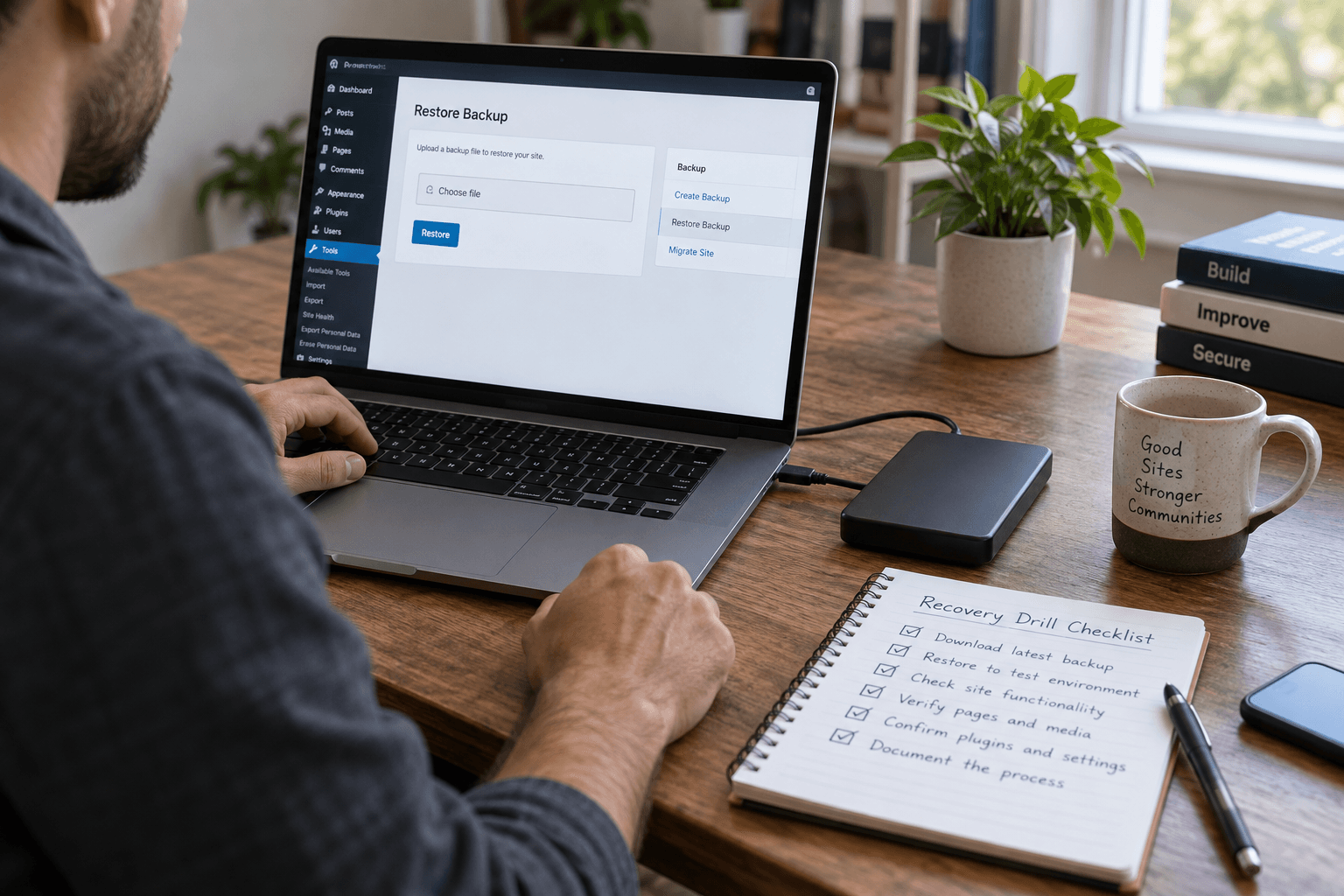
If you suspect your site is infected because you previously used a nulled theme or plugin, do not panic, but act immediately.
Why DIY Fixes Fail: Simply deleting the nulled plugin from your WordPress dashboard will not remove the malware. Hackers engineer their payloads to be resilient. The initial nulled plugin acts as a delivery mechanism; once activated, it copies its backdoor scripts into your core WordPress files (wp-includes, wp-admin) and injects malicious administrative users into your MySQL database.
The Professional Recovery Protocol: Recovering a compromised digital storefront requires clinical precision. This is where our elite team steps in.
- Deep Forensic Audit: We deploy our specialized WordPress security protocols to scan the entire server architecture, identifying obfuscated base64 code and hidden backdoor files that automated scanners miss.
- Eradication and Patching: We manually clean your database, remove rogue administrator accounts, and replace all core WordPress files with clean, verified versions straight from the official repository.
- Firewall Implementation: We deploy enterprise-grade edge firewalls (like Cloudflare) to ensure the hackers cannot re-enter the site using old, cached credentials.
6. Build a Secure, High-Performance Foundation
The only way to guarantee the long-term success of your business in 2026 is to build on a foundation of clean, licensed, and actively maintained software.
If your current site is a patchwork of vulnerable, nulled plugins and a pirated theme, the most cost-effective and secure business decision is to start fresh.