A strong password is important, but it is no longer a sufficient boundary for a business WordPress site. Passwords are reused, phished, exposed by malware, and shared through insecure channels. Two-factor authentication, usually shortened to 2FA, adds a second proof of identity before a user can enter the dashboard.
This guide explains how to choose a method, plan a safe rollout, configure recovery, and verify that 2FA protects the accounts that matter. The goal is to improve login security without creating a recovery process that attackers—or legitimate users—can easily abuse.
How WordPress two-factor authentication works
After a user submits a correct username and password, WordPress requests a second factor. That factor may be a time-based code from an authenticator app, approval through a trusted device, a passkey, or a physical security key. An attacker who knows only the password should still be unable to complete the login.
Two-step verification is strongest when the second factor is independent of the password and difficult to imitate on a fake login page. Hardware-backed passkeys and security keys offer strong phishing resistance when supported. Authenticator-app codes are widely available and substantially safer than password-only access, although a convincing phishing site can still capture a code in real time.
Start by checking who currently has privileged access. The steps in How to Find and Remove Rogue WordPress Administrator Accounts help you identify accounts that should be removed before enrollment.
Choose the right 2FA method
- Prefer passkeys or hardware security keys for owners and high-risk administrators when the site and users support them.
- Use authenticator-app codes as a practical default for broad staff adoption.
- Treat email codes cautiously if the same email account can also reset the WordPress password.
- Use SMS only as a limited fallback where stronger methods are not practical.
- Avoid security questions; personal answers are often discoverable or reused.
The best choice must fit the actual team. A theoretically strong method that employees cannot enroll, recover, or use consistently will produce exceptions. Test the experience on the same phones, browsers, and accessibility tools your users depend on.
Prepare before enabling 2FA
Create a current backup, update WordPress and the authentication extension, and confirm that at least two trusted administrators can reach the site. Record which user roles will be required to enroll, the enrollment deadline, and who is allowed to approve recovery.
- List all administrator, editor, store-manager, developer, and integration accounts.
- Remove unused accounts and replace shared logins with named users.
- Confirm that automated integrations do not depend on an interactive login.
- Prepare instructions for enrollment, recovery codes, device replacement, and support.
- Test on staging before applying an organization-wide requirement.
Use the broader WordPress Security Audit Checklist to review user roles, updates, backups, logging, and other controls that support the rollout.
Put these ideas to work.
From a specific fix to a complete website, we can help you define the scope and get it done.
Discuss my websiteCustom WordPress Web DevelopmentShare your goals. We typically reply within 4 hours with questions and practical next steps.
A safe rollout process
Begin with site owners and administrators because their accounts have the greatest impact. Enroll a small test group, verify normal login and recovery, then expand to editors, store managers, support staff, and other privileged users. Give people a clear deadline, but do not leave permanent exemptions that silently become the weakest route into the site.
During enrollment, require each user to generate recovery codes and store them somewhere separate from the phone and browser. A password manager or protected offline copy is safer than a screenshot left in the device’s photo library. Each recovery code should be single-use.
Design account recovery before it is needed
Recovery is part of the security system. If support disables 2FA whenever someone sends a convincing email, the second factor can be bypassed. Define how identity will be verified, who can approve the reset, what evidence is recorded, and how the user will re-enroll.
Keep at least two trusted administrators, each with independent credentials and factors. Do not create a hidden emergency administrator with a weak password. If an emergency access account is necessary, protect it strongly, monitor every use, and review it regularly.
Weak recovery and excessive administrator access are among the WordPress security mistakes that get sites hacked.
Test the protection
- Confirm that required roles cannot bypass enrollment after the deadline.
- Verify login with every supported factor and browser combination.
- Use one recovery code and confirm that it cannot be reused.
- Test the lost-device process without weakening identity checks.
- Confirm login events and administrator changes appear in the expected logs.
- Check that XML-RPC, application passwords, API tokens, and hosting access are governed separately.
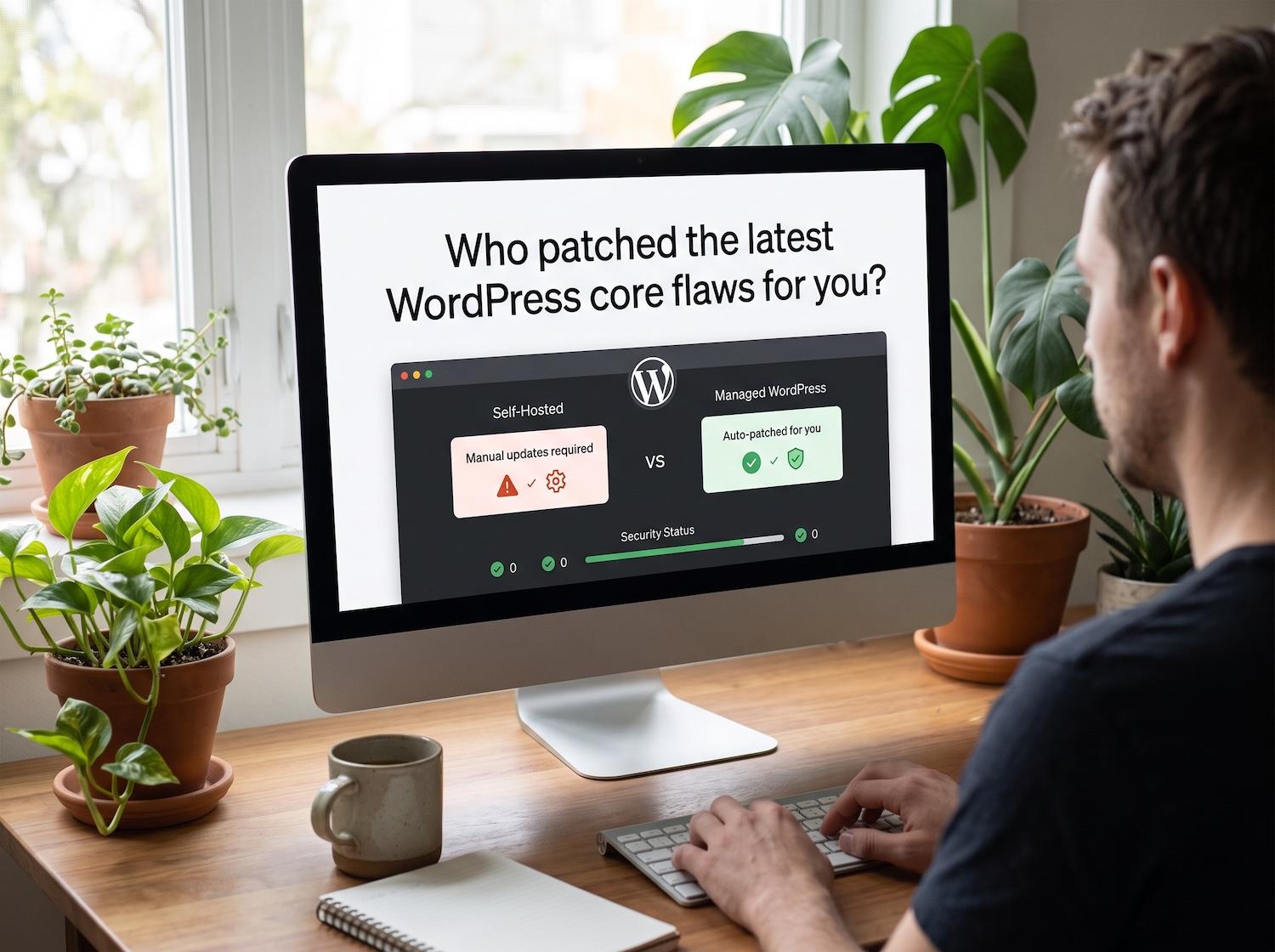
2FA protects WordPress logins, not every route into the website. Attackers may target a vulnerable plugin, stolen hosting credentials, an exposed database, or another site on the same server. Continue updates, vulnerability monitoring, least-privilege access, backups, and file-integrity checks.
Premier Sol’s Advanced WordPress Security Solutions can combine login protection with hardening, monitoring, firewall controls, and incident readiness.
For ongoing updates, backups, and account reviews, consider a WordPress maintenance and care plan.
What to do after a suspected account compromise
If an administrator account may have been taken over, do not simply enable 2FA and assume the incident is closed. Reset credentials from a known-clean device, end active sessions, rotate application passwords and connected secrets, review user and content changes, inspect logs, scan for malware, and determine how access was gained.
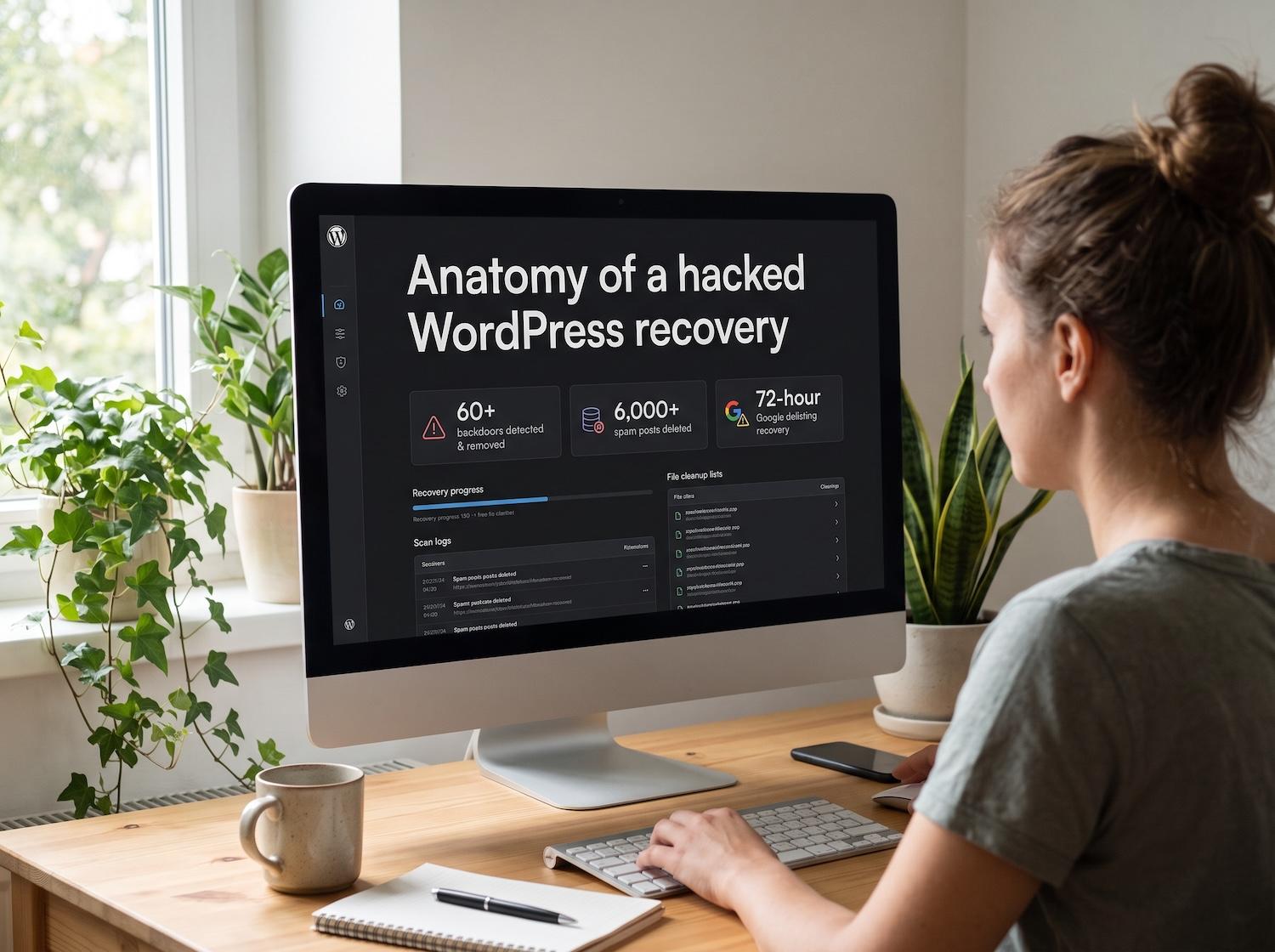
For an active incident, Premier Sol’s Emergency Hacked WordPress Site Recovery service covers containment, cleanup, credential rotation, root-cause remediation, and post-recovery hardening.
The WordPress security recovery case study shows how account controls fit into a complete recovery rather than a stand-alone checkbox.
Frequently Asked Questions
What is the best type of two-factor authentication for WordPress?
A hardware security key or passkey is strongly resistant to phishing when the chosen WordPress solution supports it. Authenticator-app codes are also a practical improvement over passwords alone. SMS should generally be treated as a fallback rather than the strongest option.
Should every WordPress user be required to use 2FA?
Require it first for administrators, editors, store managers, support users, and anyone who can access customer or business data. A staged rollout can then extend protection to other accounts without locking users out unexpectedly.
What happens if a user loses the phone used for WordPress 2FA?
The user should use a previously generated recovery code or another approved recovery method. Site owners need a documented identity-verification process before an administrator disables or resets 2FA.
Does two-factor authentication stop every WordPress attack?
No. It reduces account-takeover risk, but it does not patch vulnerable plugins, remove malware, fix unsafe permissions, or protect stolen hosting credentials. It belongs inside a layered security program.