

Read
AI Search Visibility: Build an Evidence-Rich Service Page
Improve a service page for AI search with clear scope, useful evidence, honest examples, and internal links that help buyers make a decision.
Step into the next frontier of artificial intelligence. Agentic AI moves beyond simple chat interfaces into autonomous systems capable of planning, reasoning, and executing complex, multi-step tasks without human intervention. Here, you will discover exactly how AI agents are built, deployed, and managed. We cover top frameworks like AutoGPT, BabyAGI, and LangChain, teaching you how to build your own intelligent agents for research, coding, and business automation. Learn the underlying architecture of goal-directed AI and prepare yourself for the massive industry shift from AI as a passive assistant to AI as an autonomous, proactive worker.
Improve a service page for AI search with clear scope, useful evidence, honest examples, and internal links that help buyers make a decision.
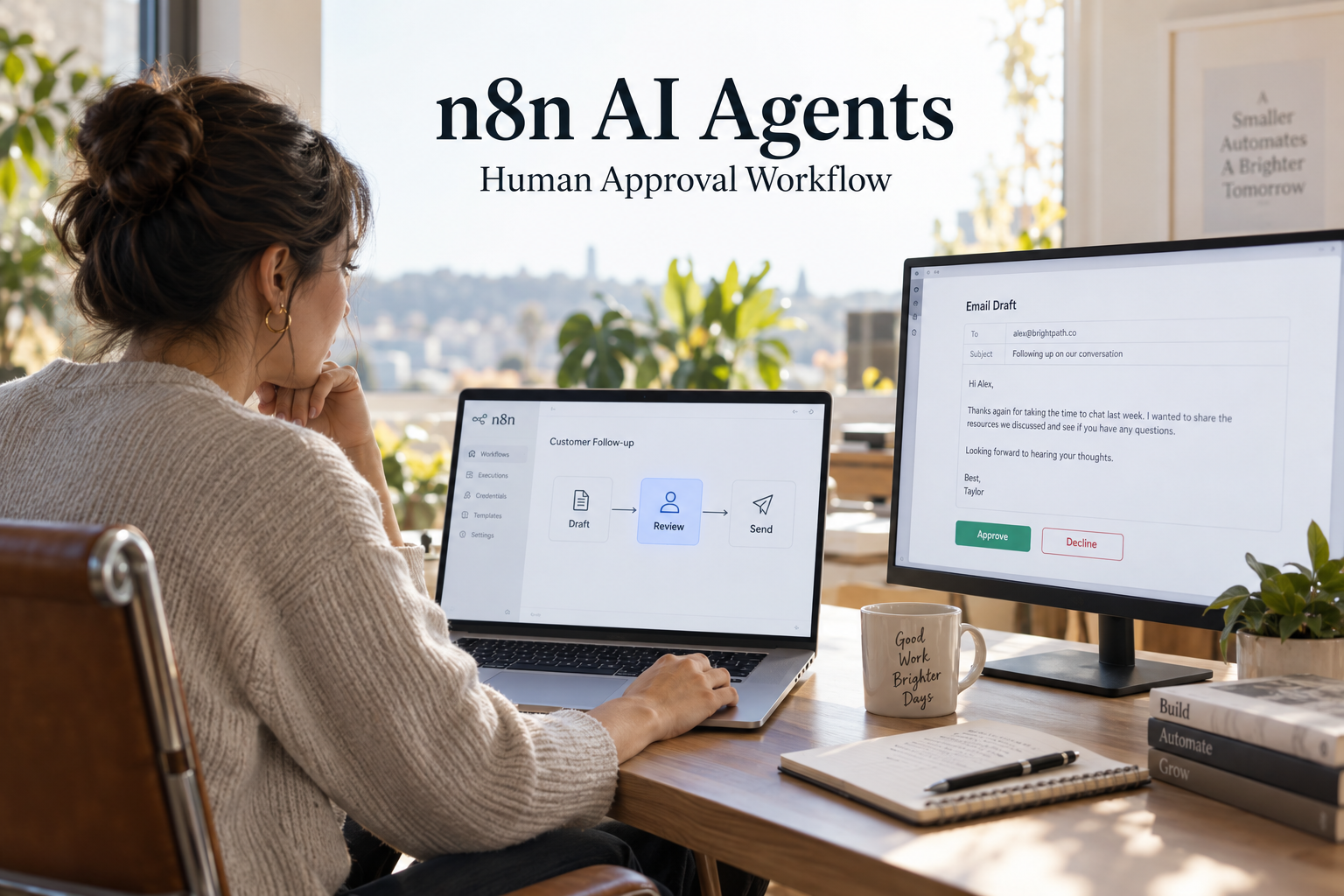
Build an n8n AI agent workflow with human approval. Review emails and data changes before execution, handle rejection and test failure paths.

Meet Grok Bot, xAI's always-on autonomous AI teammate fleet. Learn how dedicated cloud computers, one-click authorization, and no-code setups redefine workplace automation in 2026.
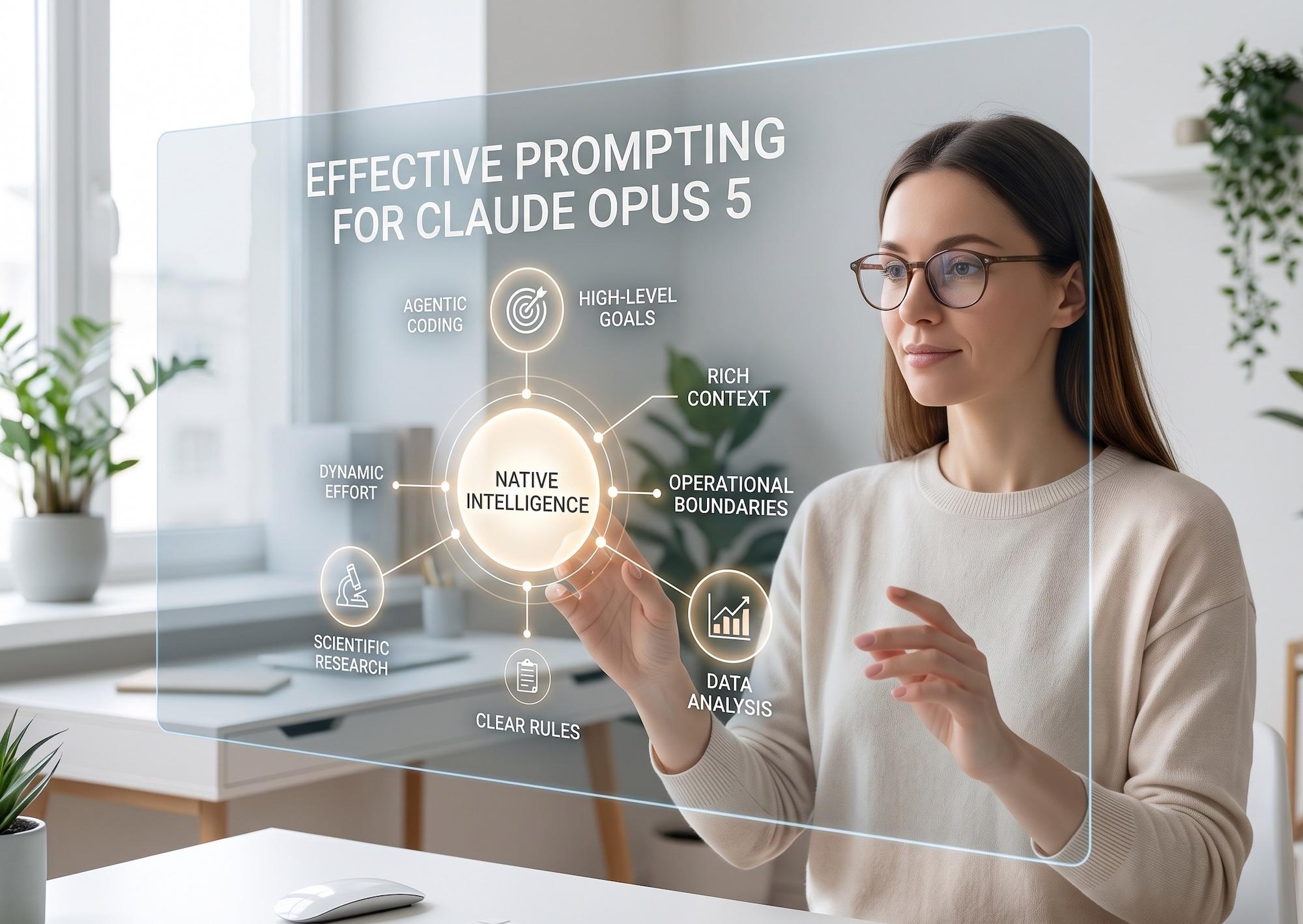
Master Anthropic's Claude Opus 5 with official prompt engineering strategies. Learn to optimize 1M context, manage subagents, calibrate effort settings, and streamline agentic coding.
Anthropic released Claude Opus 5 — near-Fable 5 intelligence at half the price, 2x+ coding performance, and the most aligned model to date. Here's what it means for developers and businesses.
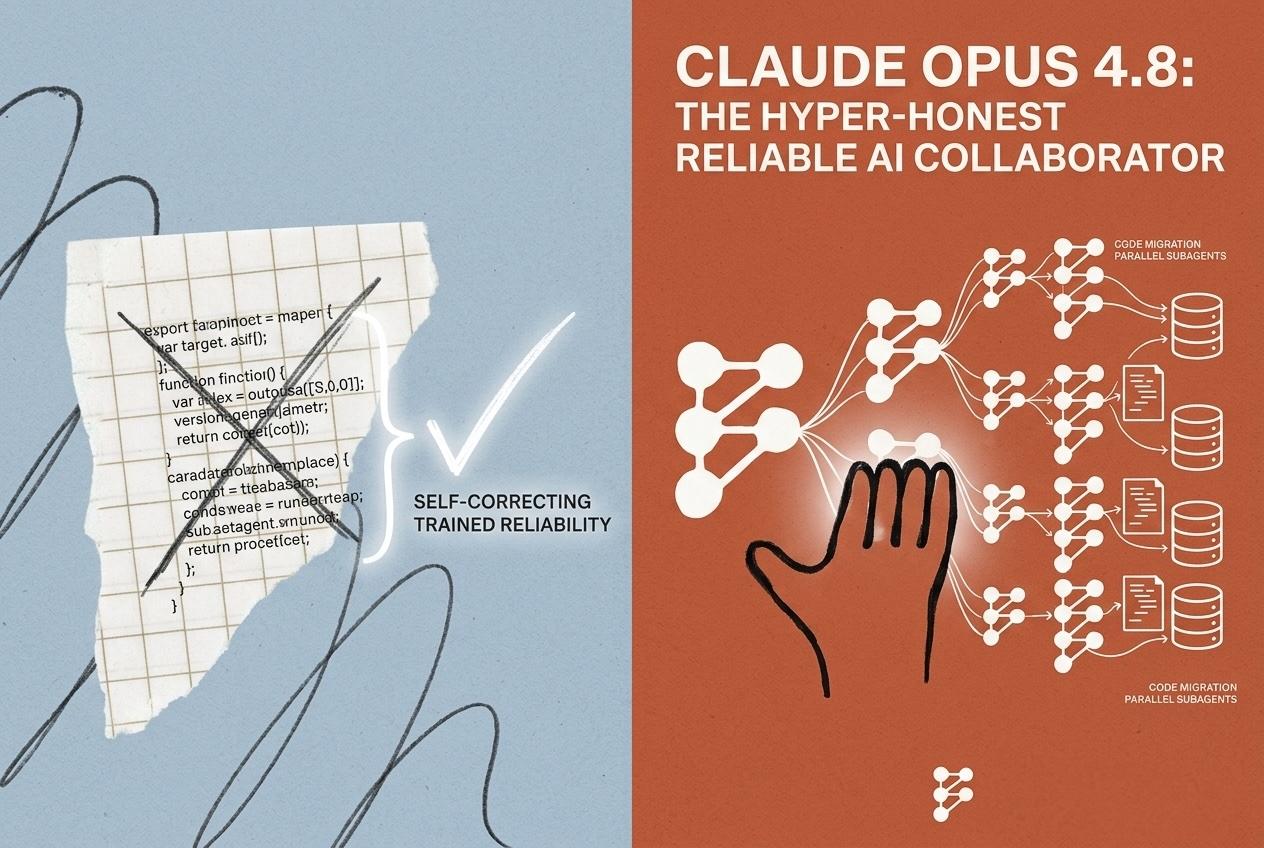
Anthropic has officially launched Claude Opus 4.8! Discover how this ultra-honest model uses dynamic workflows and effort control to redefine coding and agentic tasks.
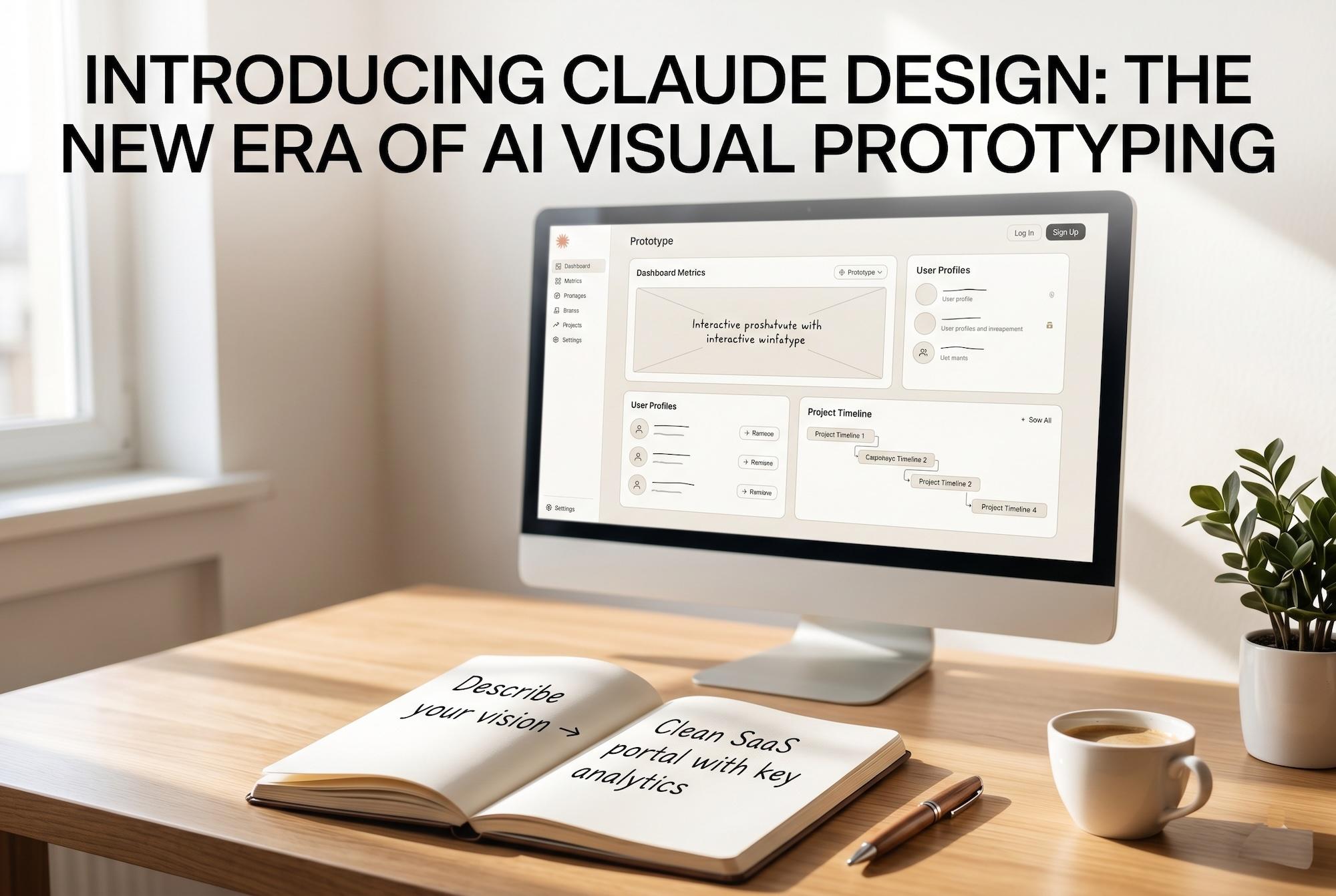
Explore how Claude Design by Anthropic Labs revolutionizes visual prototyping. Powered by Claude Opus 4.7, this AI tool simplifies design workflows, from idea to interactive prototype, effortlessly.
Introducing Claude Opus 4.7, the ultimate 2026 AI for coding. Discover the critical difference between GPT-5.4 and Gemini 3.1 Pro to choose the best frontier model for your workflow.
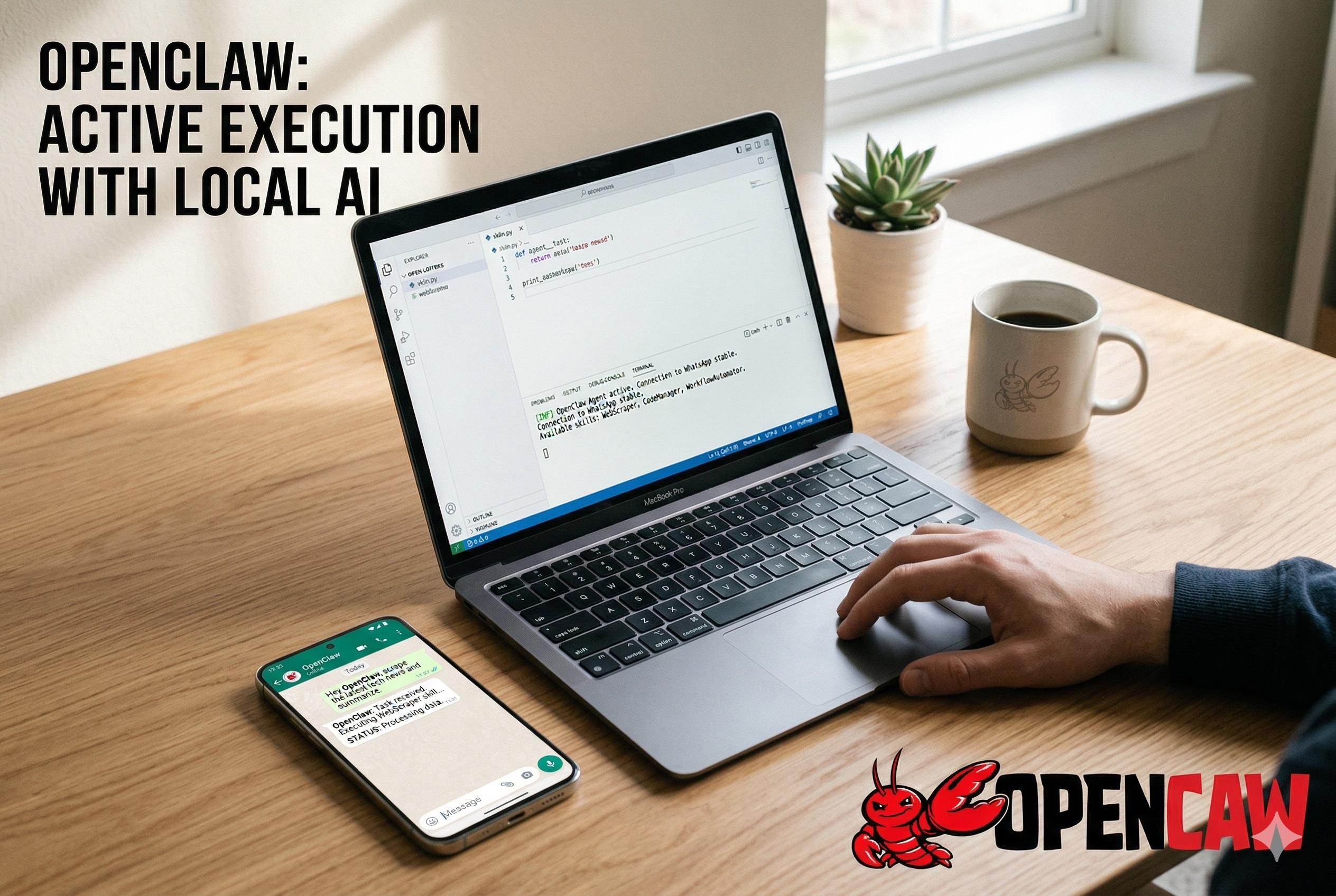
Discover how to run OpenClaw, the viral open-source AI agent of 2026. This guide covers local installation, WhatsApp integration, top models, and critical security vulnerabilities.
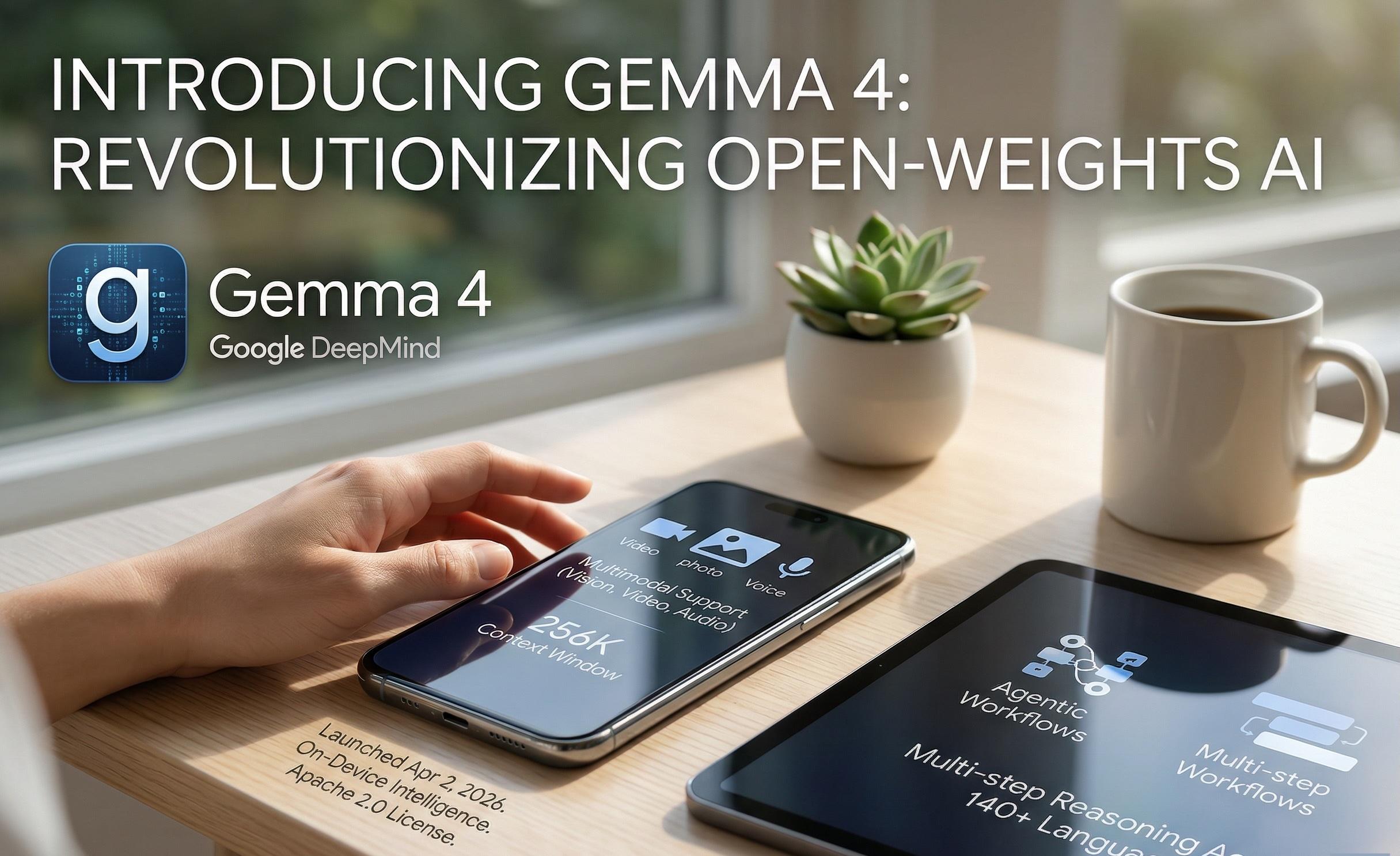
Compare all five Gemma 4 models—E2B, E4B, 12B, 26B A4B and 31B—by context length, modalities, memory requirements and intended hardware.
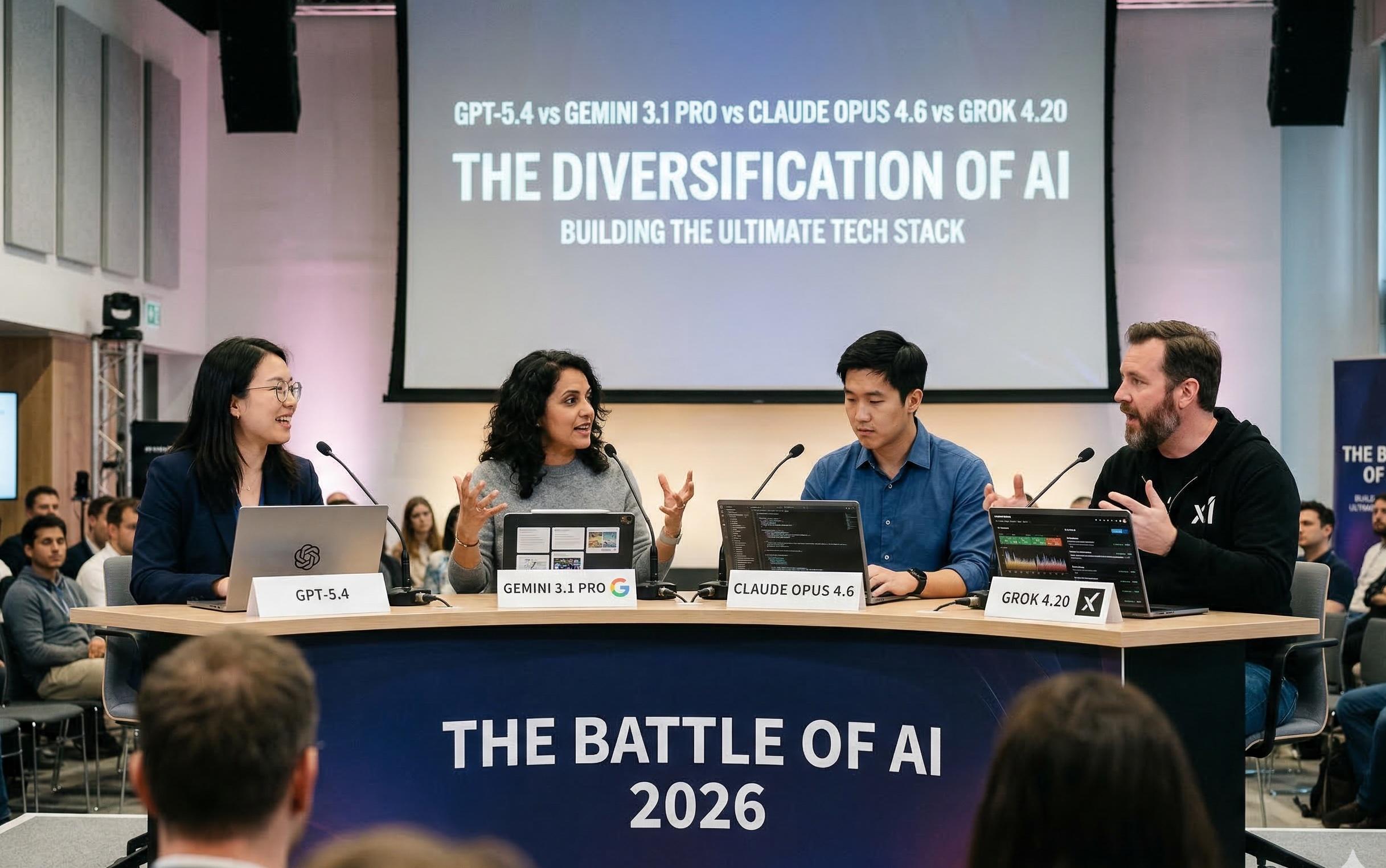
Discover the ultimate 2026 AI showdown: GPT-5.4 vs Gemini 3.1 Pro vs Claude Opus 4.6 vs Grok 4.20. Learn which frontier model dominates in coding, reasoning, and real-time multimodal performance.
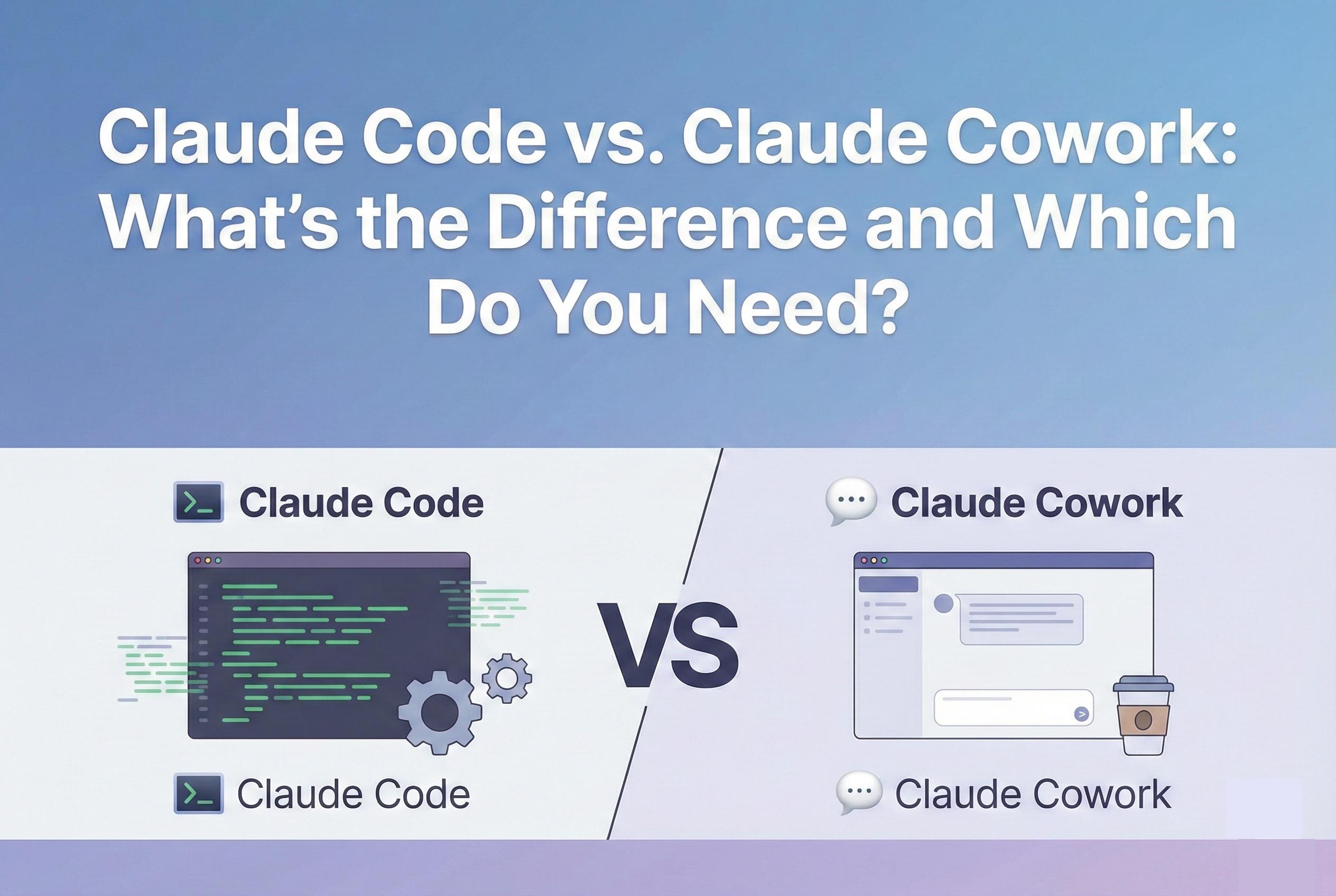
Claude Code vs. Claude Cowork: Are they the same thing? We clarify the confusion between Anthropic's developer-focused CLI tool and the new user-friendly desktop agent, helping you decide which tool fits your technical level and workflow.
Share your website URL, technical goals, platform, and timeline. Founder & Lead Architect Muhammad Junaid Tariq reviews every inquiry and typically replies within 4 hours. Please do not send passwords or customer records.