Read
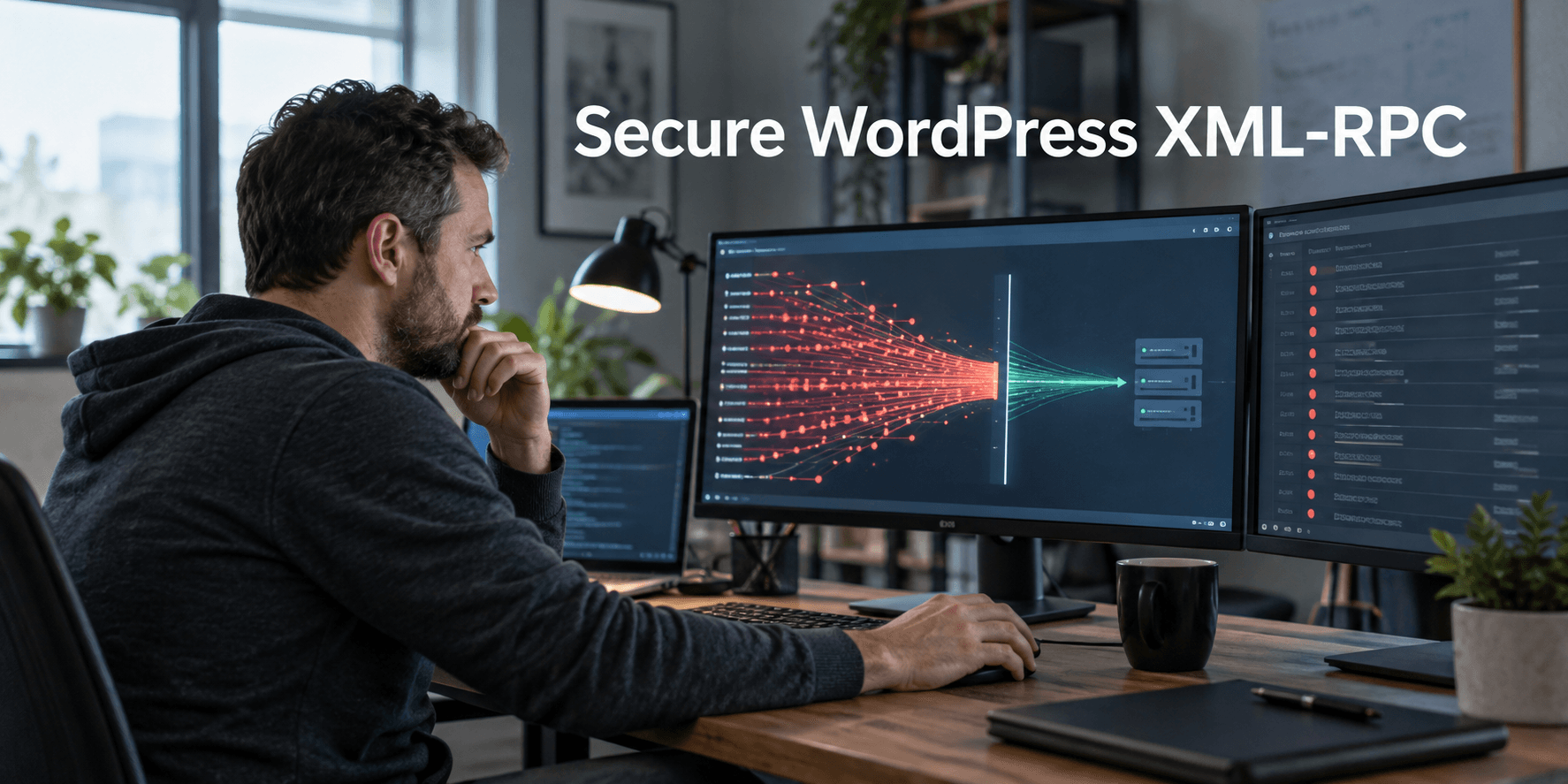
WordPress XML-RPC Security: Disable, Restrict or Protect It?
Decide whether to disable, restrict, or protect WordPress XML-RPC using dependency checks, rate limits, authentication controls, monitoring, and safe testing.

Loading…
Guides, explanations, and updates on website development, technical SEO, security, and automation.
Articles on WordPress and Next.js development, website performance, technical SEO, AI search, Shopify, and workflow automation. Browse by topic, check the author and publication date, and explore the linked sources and examples. to see how we put these tactics to work.
Share your website URL, goals, platform, and any deadline or budget constraints. We normally reply within one business day with questions or suggested next steps. Please do not send passwords or customer records.
Decide whether to disable, restrict, or protect WordPress XML-RPC using dependency checks, rate limits, authentication controls, monitoring, and safe testing.
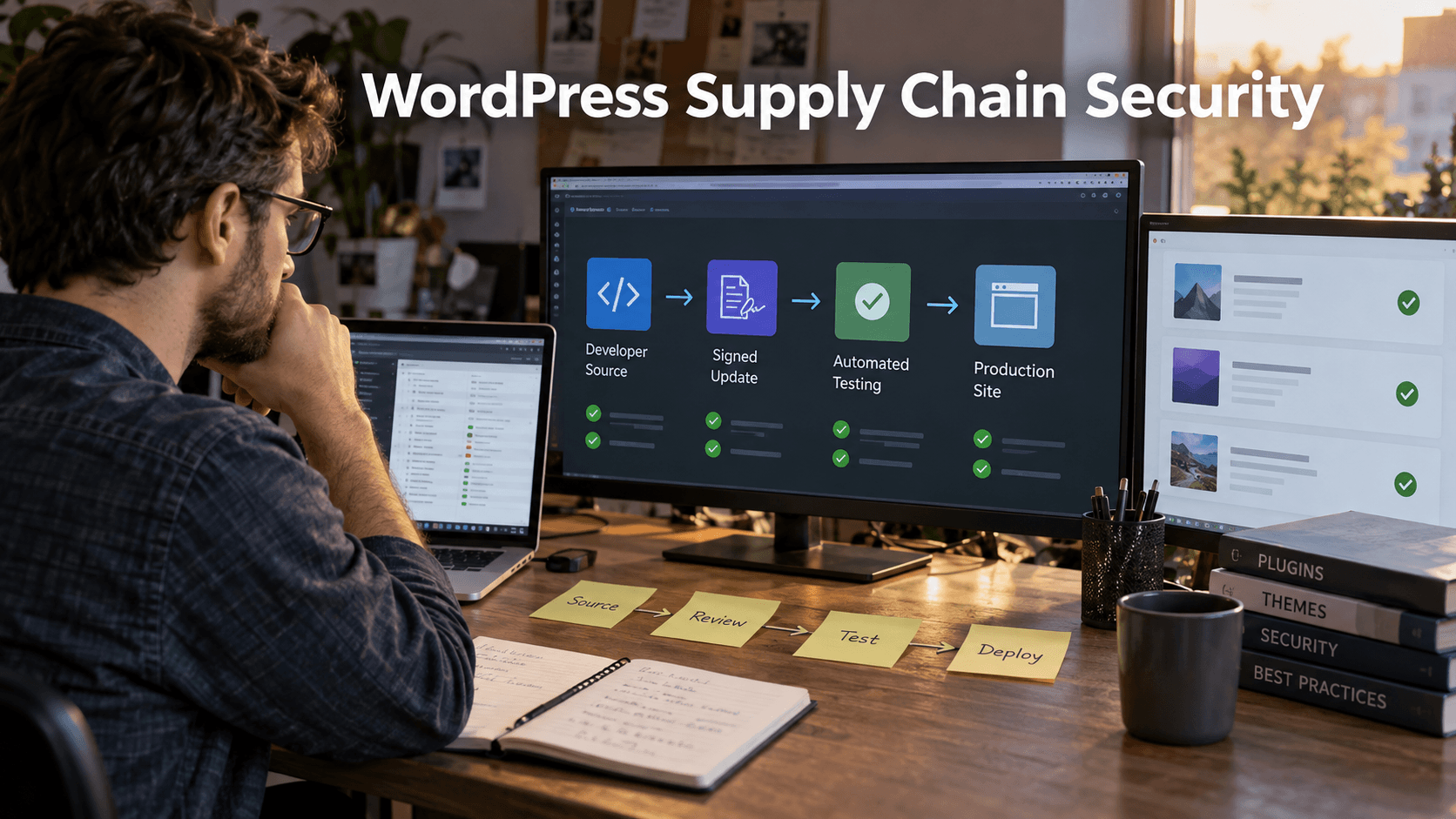
Reduce WordPress plugin and theme supply-chain risk through inventory, publisher review, protected accounts, staged updates, controlled deployments, and monitoring.
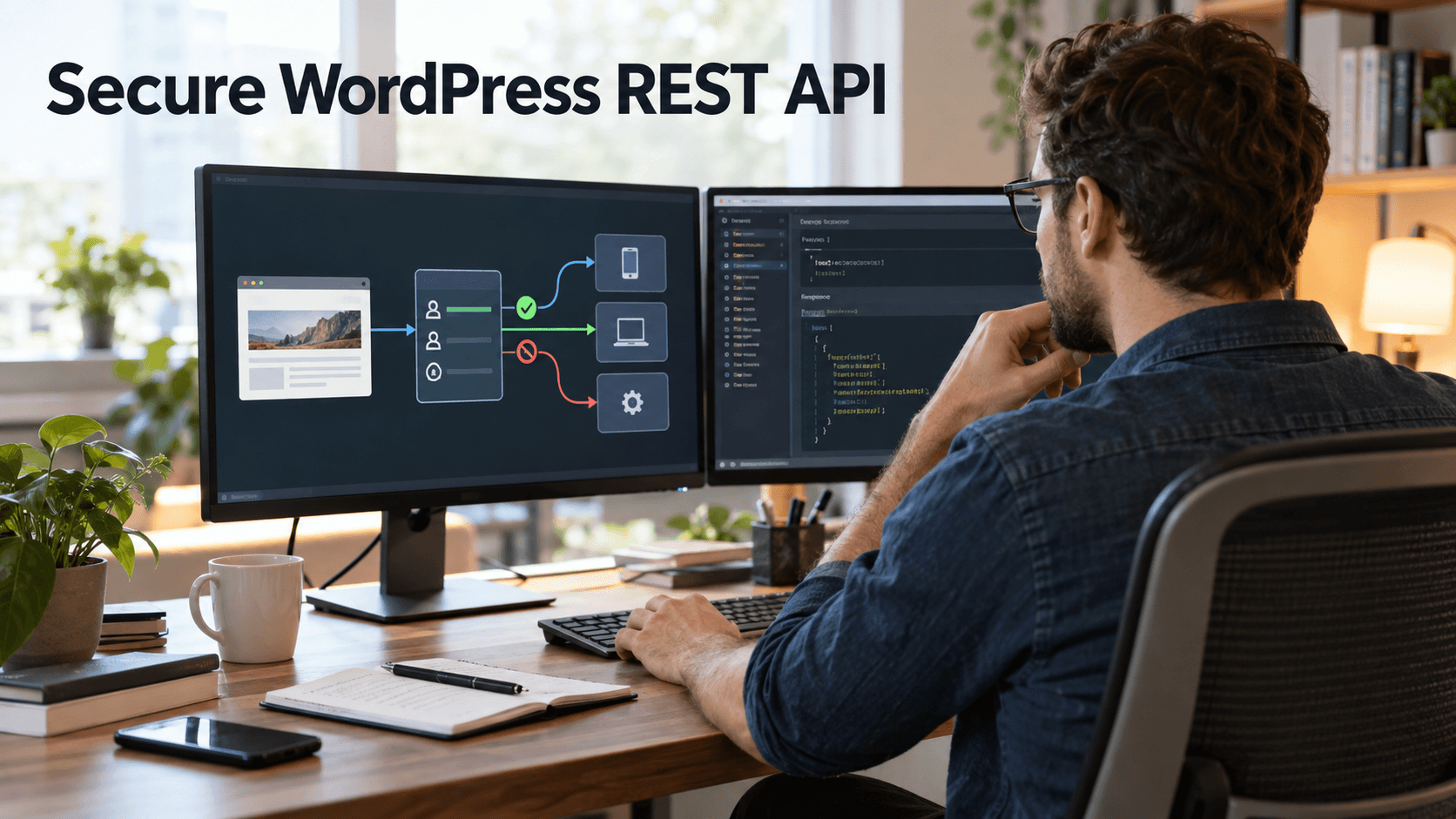
Secure WordPress REST API endpoints with correct authentication, capability checks, minimal responses, input validation, rate limits, CORS awareness, and testing.

Build useful WordPress monitoring for logins, privileged users, file and database changes, vulnerabilities, external checks, backups, alerts, and response.

Secure WordPress staging environments with access controls, sanitized data, separate credentials, safe deployments, search safeguards, and proper retirement.

Protect WooCommerce checkout, customer information, payment integrations, administrator access, backups, monitoring, and incident response.

Protect the WordPress database with least-privilege access, secure credentials, isolated backups, careful cleanup, and useful monitoring.

Secure WordPress logins with individual accounts, strong authentication, rate limiting, safe recovery, and monitoring for account takeover.
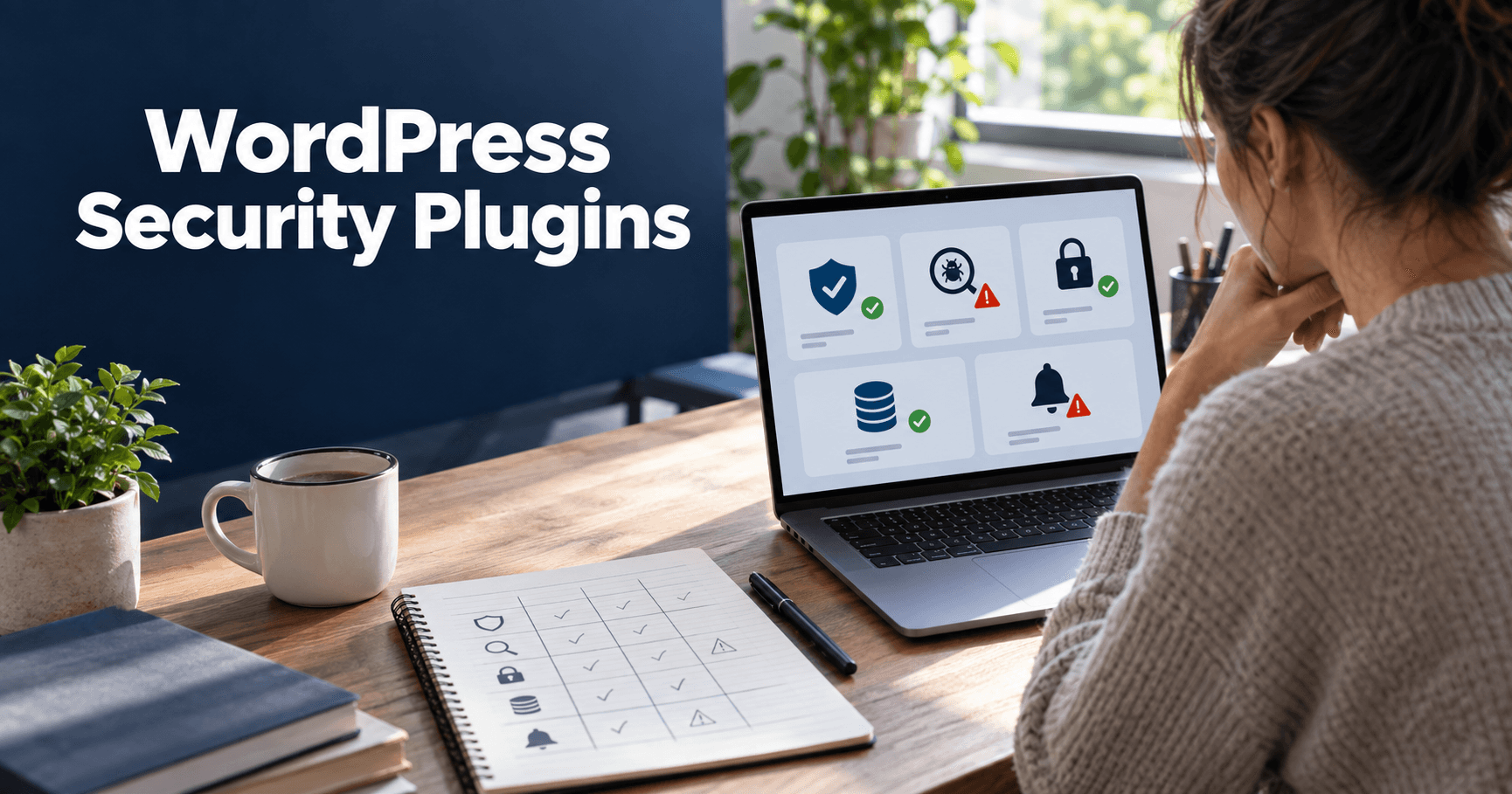
Choose WordPress security plugins by risk, coverage, maintenance, compatibility, performance, alerts, and the controls already provided by your host.

Configure WordPress security headers safely, including HSTS, CSP, nosniff, referrer controls, permissions policy, and framing protection.

Learn how to choose, roll out, test, and recover WordPress two-factor authentication without locking out legitimate users.

Learn how to scan WordPress safely, interpret malware alerts, handle false positives, and verify that a compromised website is genuinely clean.